Wool and other hair fibers have the most complicated structures of all textile fibers. Wool is composed of a complex blend of proteins and other chemical substances. The thermal and mechanical responses of the fibers are determined by a variety of inter-atomic and inter-molecular bonds and a variety of structural forms. The wool fiber has a slightly and imperfectly elliptical cross section. In this blog, for my readers I intend to write briefly about the vital few advantages of wool fiber over other fibers.
Advantages of Wool Fiber
In addition to the particular tensile and other properties, the special features of structure of wool fiber are crimp, which leads to high bulk and softness, and scales, which lead to felting. Good recovery properties are also beneficial, and especially the regeneration of properties by washing. The structural elements of wool fiber and their specific role in terms of performance are shown…
Momme is the term used to express the quality of silk fabric.
Mommes (mm), is traditionally used to measure the quality of silk fabric. The momme is based on the standard width of silk fabric of 45 inches (1.2 m) wide (though silk is regularly produced in 55-inch (1.4 m) widths, and, uncommonly, in even larger widths).
So the weight in pounds of a piece of fabricwith a size of 45 inches by 100 yards OR (1.2 m X 90 m).
Therefore one Momme is defined as the weight in pounds of a 45 inches by 100 yard piece of silk.
One momme = 4.340 g/m²;
an 8 mommes is approximately 1 ounce per square yard or 35 g/m².
Different weaves of silk fabric and their weight
The usual range of momme weight for different weaves of silk are as below:
Habutai—5 to 16 mm
Chiffon—6 to 8 mm (can be made in double thickness, i.e. 12 to 16 mm)
Crepe de Chine—12 to 16 mm
Gauze—3 to 5 mm
Raw silk—35 to 40 mm (heavier silks appear more ‘wooly’)
Organza—4 to 6 mm
Charmeuse—12 to 30 mm
The higher the weight in mommes, the more durable the weave, and the more suitable it is for heavy-duty use. And, the heavier the silk, the more opaque it becomes. This can vary even between the same kind of silk. For example, lightweight charmeuse is translucent when used in clothing, but 30-momme charmeuse is opaque.
Classification of Silk fabric based on Weight and recommended usage
24 gram
6mm
Sheer light
Silk Chiffon, Silk Georgette
Scarfs, dresses, blouses
30 gram
8mm
Sheer light
Silk Chiffon, Silk Georgette
Scarfs, dresses, blouses
45 gram
12mm
medium weight
Silk Satin, Crepe De Chine, Silk Twill
Blouses, scarf weight
60 gram
16mm
heavier weight
Silk Satin, Crepe de Chine, Silk Twill, Double Georgette
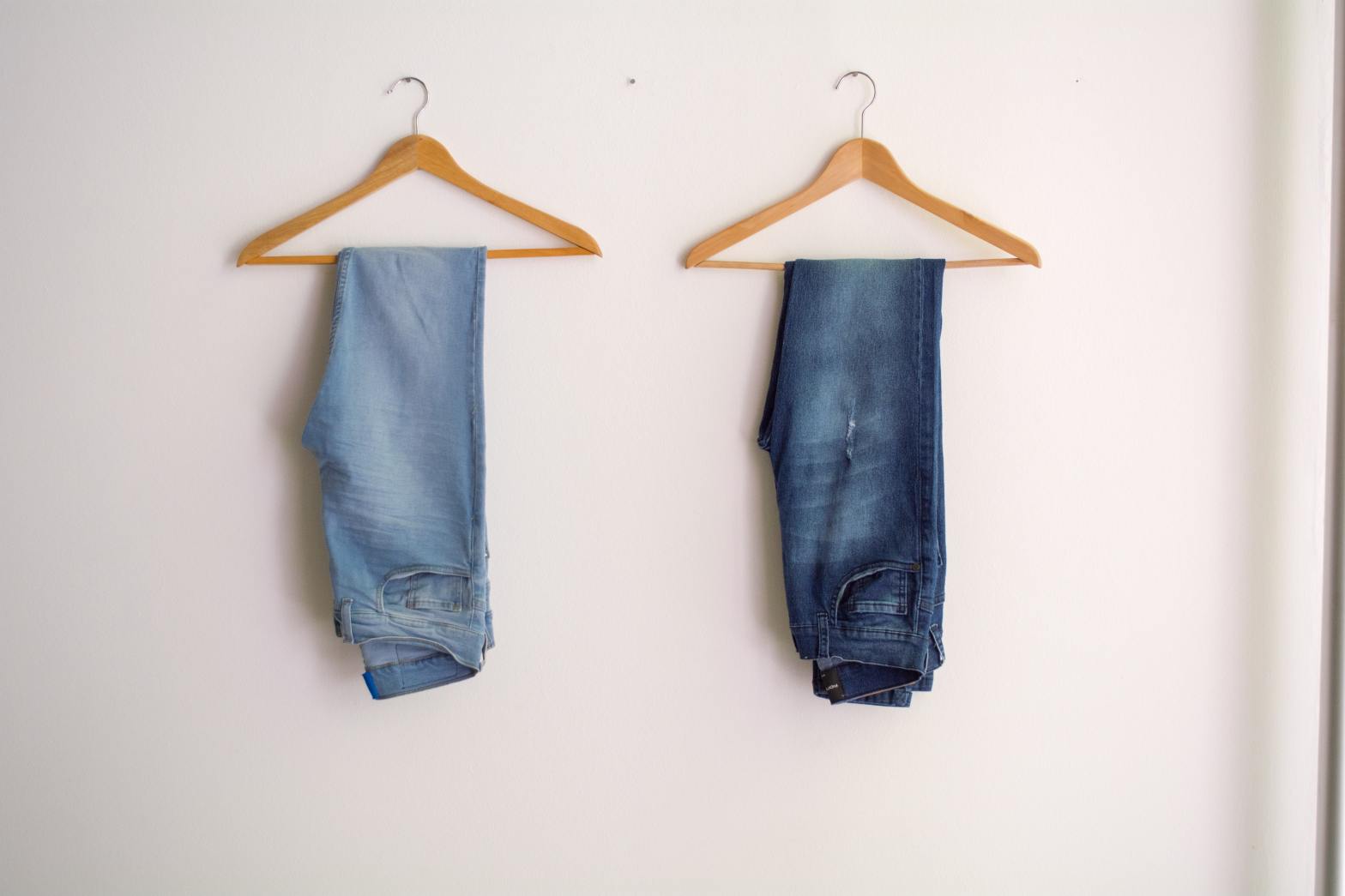
The word “Denim” was derived from French word “sergé de Nîmes” which means that the Fabric of Nîmes. The predecessor of denim known as dungaree. Dungaree fabric (used in English since 1605–15, from the Marathi dongrī) is a historical term for an Indian coarse thick 2/2 twill-weave cotton cloth, often coloured blue has been produced in India for hundreds of years, but modern day denim was first produced in the French city of Nîmes.
Denim is a sturdy cotton warp-faced textile in which the weft passes under two or more warp threads. This twill weaving produces a diagonal ribbing that distinguishes it from cotton duck. The most common denim is indigo denim, in which the warp thread is dyed, while the weft thread is left white. As a result of the warp-faced twill weaving, one side of the textile is dominated by the blue warp threads and the other side is dominated by the white weft threads. This causes blue jeans to be white on the inside. The indigo dyeing process, in which the core of the warp threads remains white, creates denim’s signature fading characteristics.
Modern Denim
Classical Denim also known as Rigid Denim, is a heavy woven fabric made from 100% cotton and coarse indigo dyed warp and un-dyed weft yarn. It is high density fabric with a high mass per unit area and a 3/1 or 2/1- twill weave construction. It is available in attractive indigo blue shades and is made for a variety of applications and in a wide range of qualities and shades.
Besides Classical indigo blue, the Denim is also dyed in other fashion shades, washes and colors, the most popular being black Denim. Stretchable Denim made from combinations of spandex and cotton or other yarns is chicky, comfortable, fashionable, affordable and durable and popular in all age groups. Now a days Denim is available in different weight ranges from 3 – 14 oz/sq yds including both Classical Rigid and Stretchable.
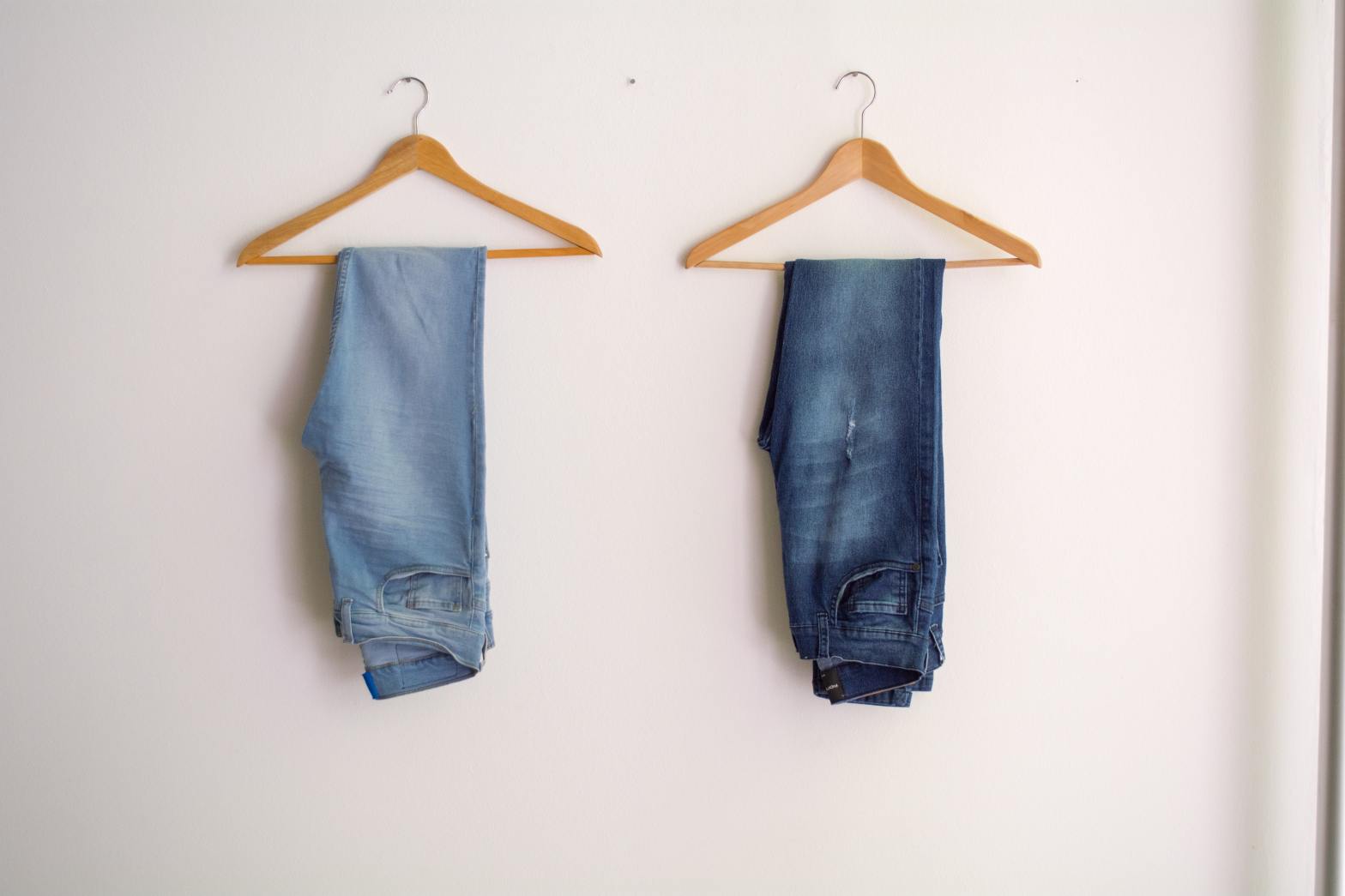
Why not turn simple denim into a smart wearable?
Why not this unique yet most common bottom wear should serve some functions? Why not the denim should not be just a pair of jeans infact it should be made with sophisticated and intelligent functions? This is high time to turn your simple pair of jeans into a smart but chicky Functional clothing, with same classical rough aesthetic but intelligent functions.
So what functions a denim should have or should perform ? There are a number of possibilities that can be explored.
Wireless mobile phone charging using harvested energy from walking or bicycling.
Why you need to buy a separate yoga pants or exercise trouser? why your jeans cannot be used for such activities?
Two way wear style: Is it possible to make a denim fabric with different colors or features that can be worn from both sides?
A jeans providing you localized cooling by reducing the feeling temperature in summer and localized warming effect by increasing feeling temperature.
Is it possible to develop a denim with an amalgamation of sensors, micro cameras and Artificial Intelligence (AI) for blind people? So that they do not need to carry the white cane all the time.
No doubt this chicky garment has a lot of potential to serve as functional clothing or smart wear able. However this is a matter of continuing research.
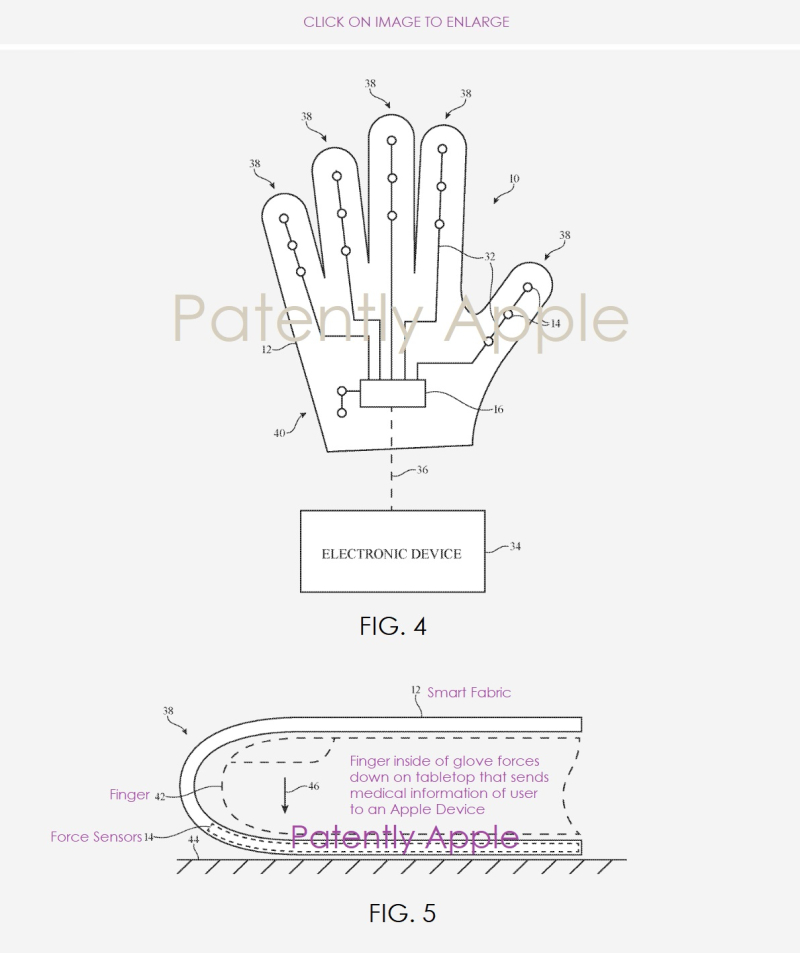
Apple Inc., Cupertino, CA/USA, secured another Smart gloves patent by the US Patent and Trademark Office with a title of “Knit data Input Glove”. This glove could be used as an accessory for future Apple products.
Most probably this glove is made of knitted fabric, having fingers of the glove with fabric pockets. Sensors such as inertial measurement units may be placed in the pockets to measure movements of a user’s fingers in the glove. The sensors should be able to be coupled to control circuitry in the glove with signal paths in the fabric.
Smart glove by Apple inc.
The conductive yarns are used in the course directoon of the fabric that forms the signal paths runing along each finger. Haptic components and other electrical components are also coupled to the control circuitry using the conductive yarn. The idea is to create a control circuitry within the fabric structure on each side of finger that can use wireless or wired communications circuitry to convey information such as information on user finger movements to external equipment.
The glove works in conjunction with an Apple device like Apple Watch or iPhone. Specialty sensors within the glove could include a blood pressure sensor, a respiration sensor, a heart rate sensor and more. The data is sent from the glove and an iDevice to present results.
Apple may also include other sensors such as health, optical, and/or environmental sensors, actuators for providing haptic feedback and haptic feedback devices.
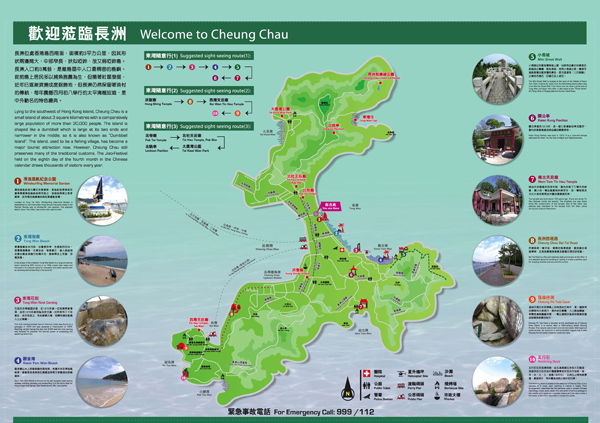
Cheung Chau, directly translated to ‘long island’ is an outlying island in Hong Kong with over 20,000 inhabitants. The Islands’ history could be dated back to the 17th century as a thriving fishing village.
So what to do in Cheung Chau? What the island is most famous for? 3 reasons why you should visit Cheung Chau!
The food are amazing!
street foods!
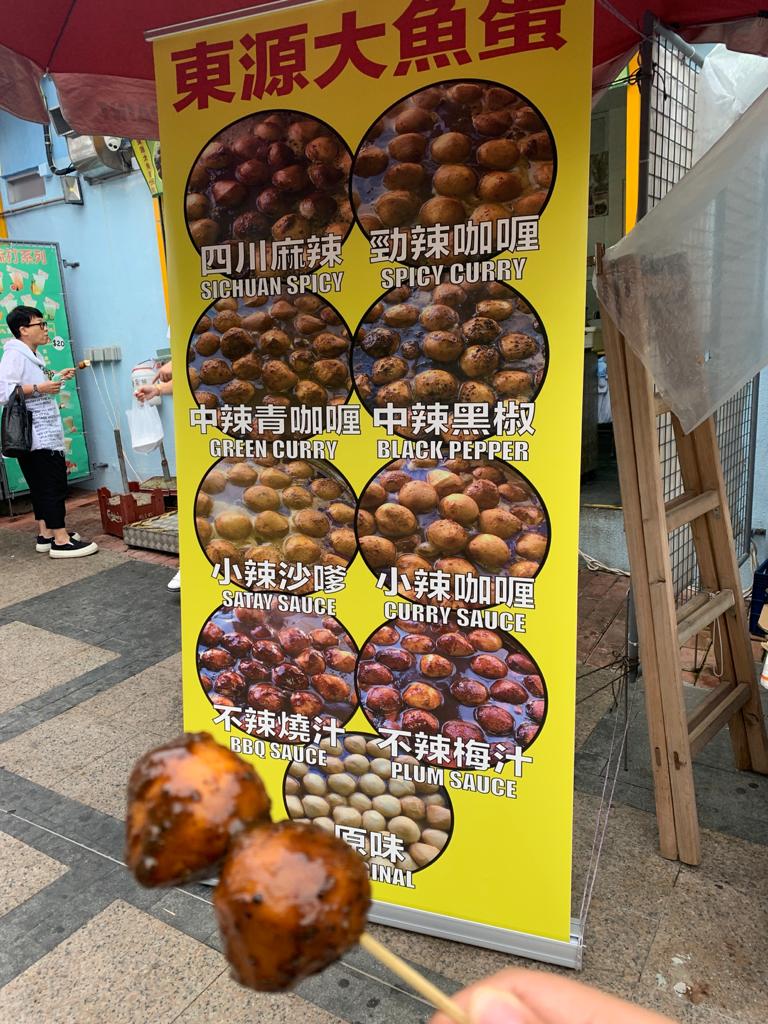
Have you ever heard of Cheung Chau giant fish ball? It comes in different flavours and in different level of spiciness. After you take a bite, you’ll always come back wanting for more. If you’re a fan of spicy food, you could challenge yourself and try the Sichuan Spicy or Spicy curry but if you’re not you could try BBQ and Plum sauce.
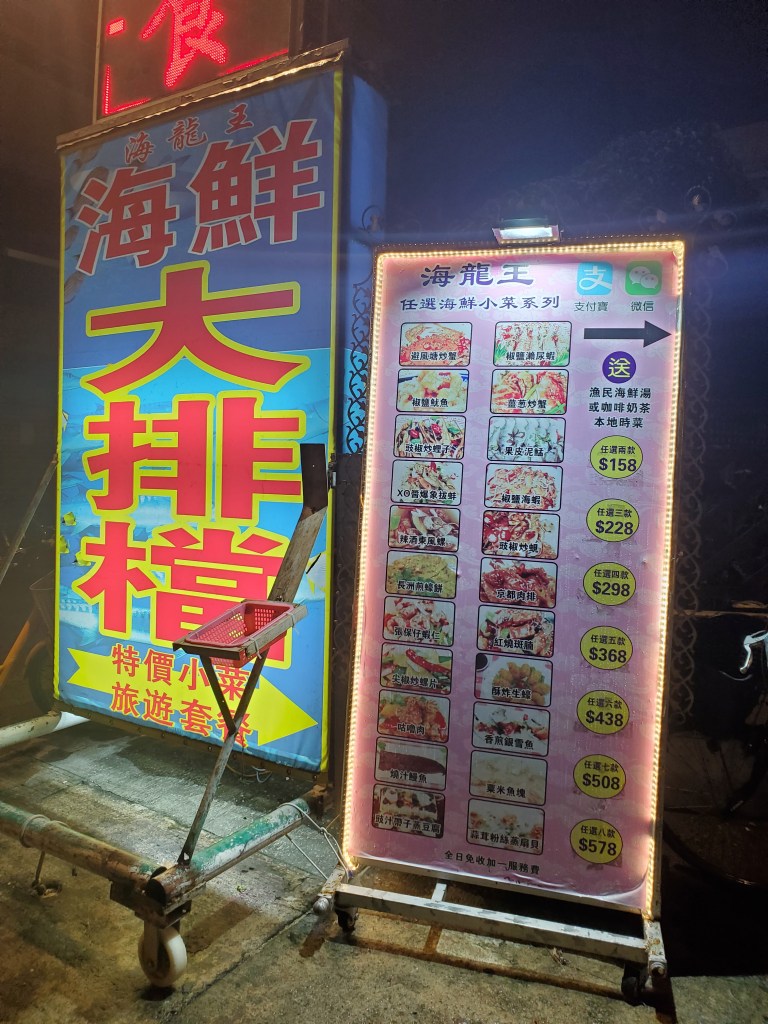
Seafood Restaurants
One of the things that Cheung Chau is most famous for, SEAFOOD. If you come to Cheung Chau you must try seafood dishes like steamed fish, deep fried crabs and pepper fried squid.
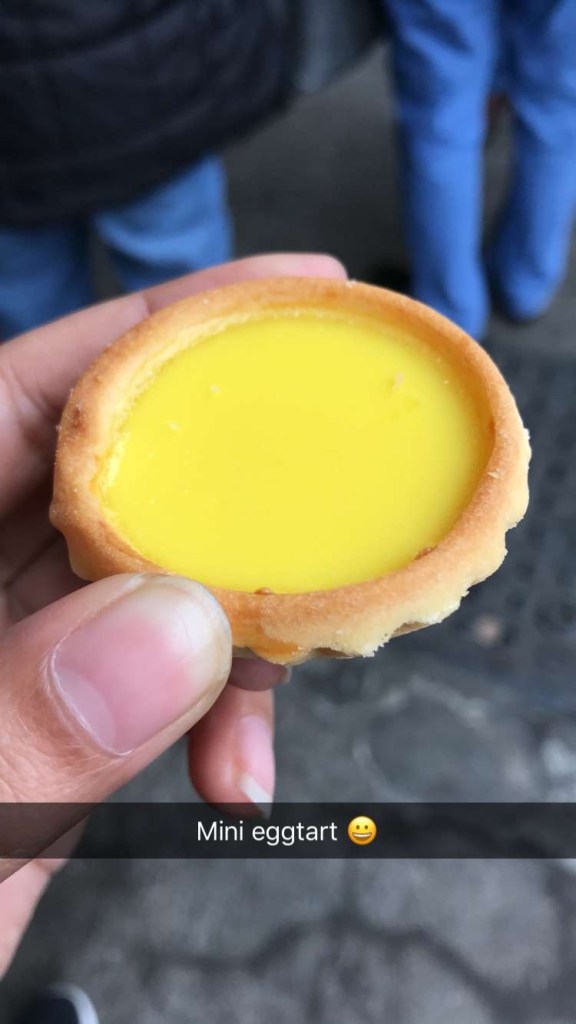
snacks and desserts
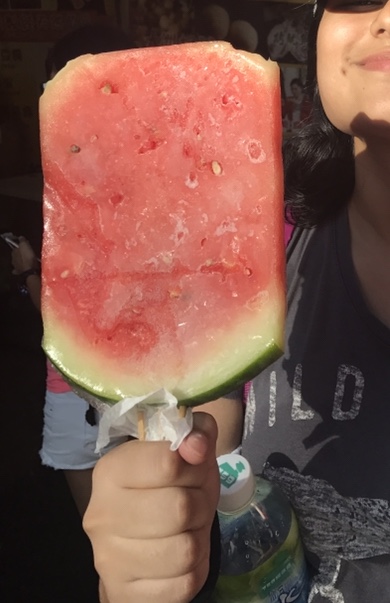
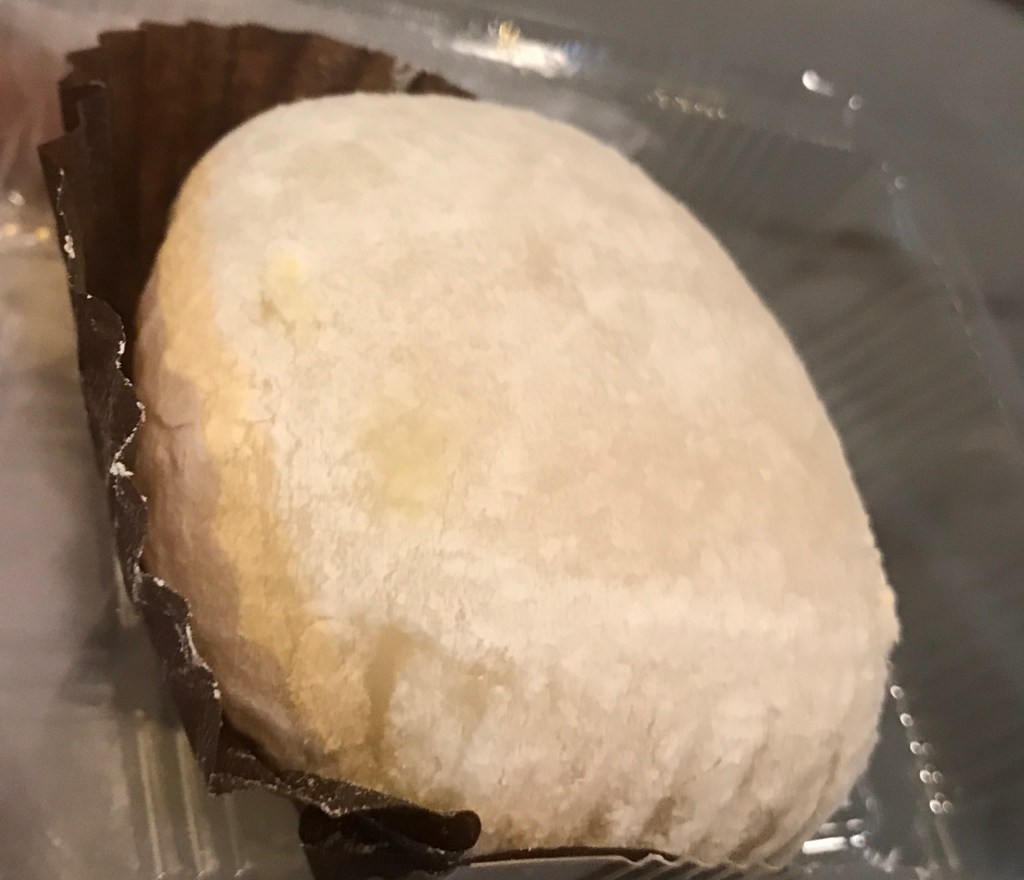
One of the most iconic part of the island is its non ending vendors of street food, there is the famous Cheung Chau Mango Mochi, mini Eggtarts, frozen fruit slices, shaved iced in different flavours and red bean pastries.
a frozen watermelon
Mango mochi
2. There’s plenty of family fun activities!
Beach
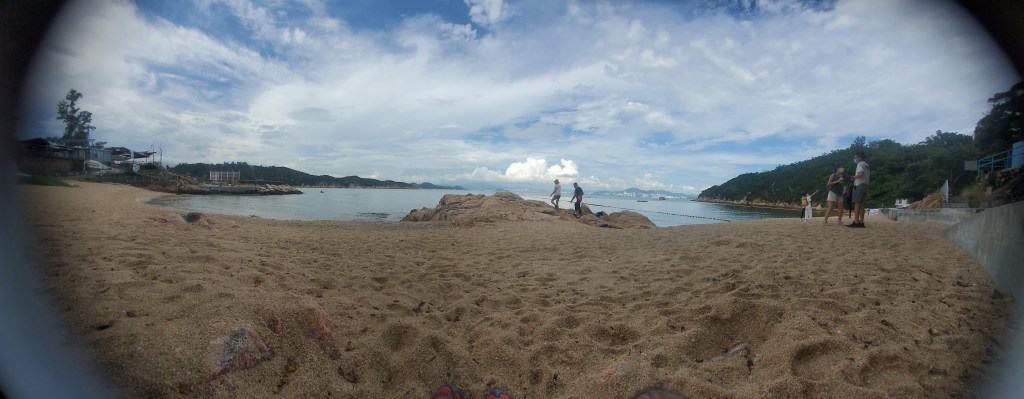
Hit the beach and let out some steam! What’s more relaxing than to sit on the beach and listen to children laughing and playing. There is 2 most popular beach in Cheung Chau, one is Tung Wan Beach and the other is Kwun Yam Beach. However, there are other much more quiet and less populated mini beaches waiting for you to discover.
Kwun Yam Beach
Cycling
You could also rent a bike and discover the neighbourhood! A bicycle that could be rented for as low as HKD30. There are also a tricycle that could fit about 3 people which could be rented for HKD60. Prices may vary in different rental shops along with for single and family bikes and its condition. ( Note: most bike rental shops closes at 6 or 7 pm)
hiking
Of course, there are also basic hiking trails which is easily accessible for the family. Visit the mini great wall! The trail is relatively easy and is mostly paved.
Pak Tai Temple in the Mini Great Wall route
camping/ stargazing
If you’re in for a little more fun for the kids you could try booking an overnight staycation at Saiyuen Camping Adventure Park which is an outdoor adventure playground and has themes camps like Native American Teepee and Stargazing Geodesic Dome. Kids could also enjoy unique adventures such as Archery Combat, Bubble soccer, Junior Abseiling and Tree Top Canopy Walk etc. (Note: It could be quite costly though)
Visit the Cheung Po Tsai Cave
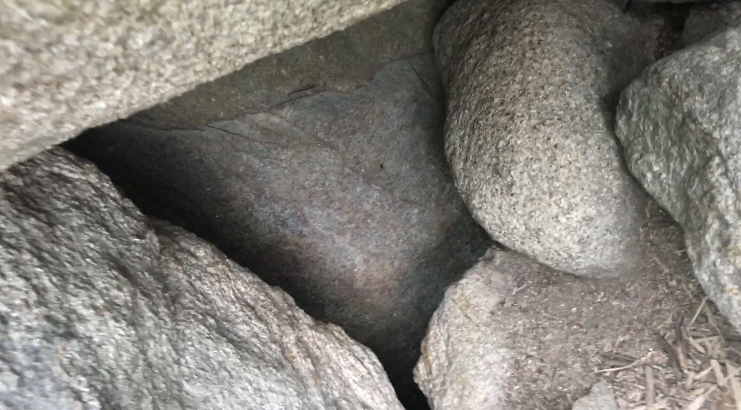
It has been said that a pirate named Cheung Po Tsai in the 1800s kept his treasures in this natural cave so it would be an interesting spot to explore. However, make sure to have a torch with you since it could be pretty dark inside and remember to be careful with your steps since the way out could be pretty narrow and slippery!
3. The View is Spectacular day and night
discover the neighbourhood after sunsets
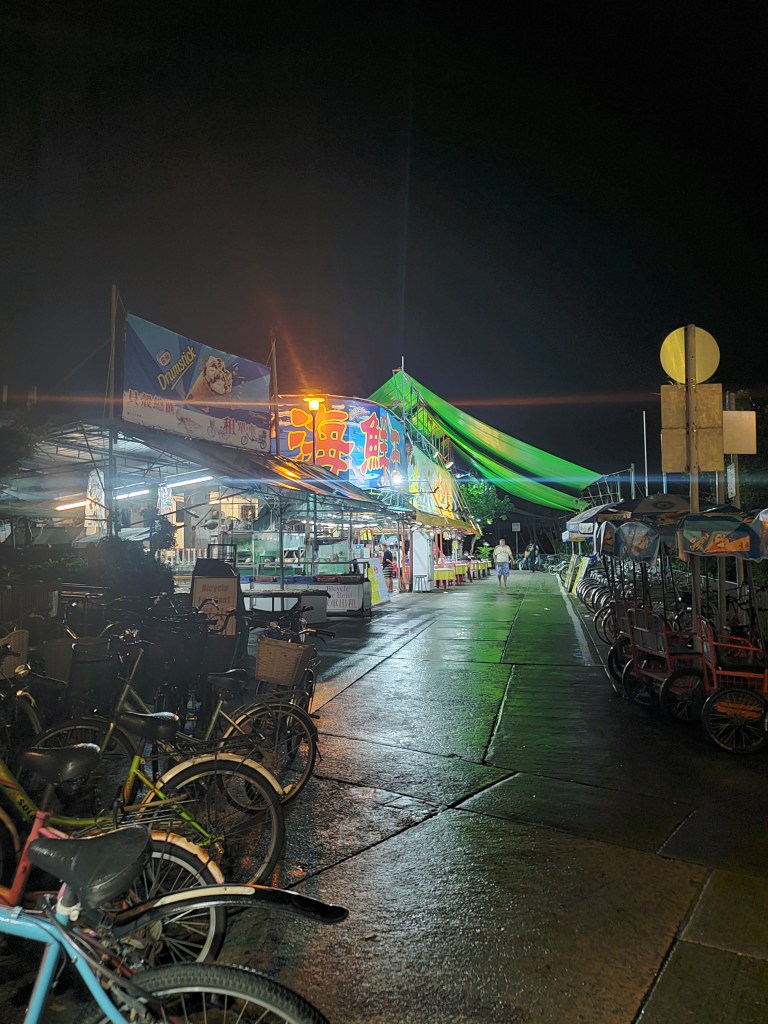
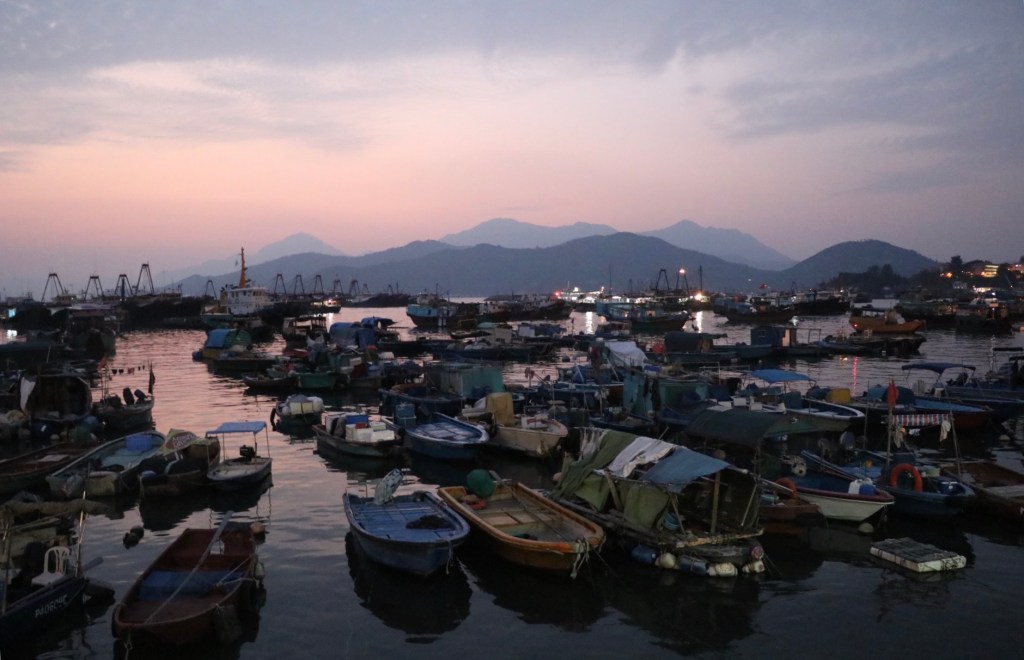
By sunset, most tourist leave the island while the locals arrive from work. You could stay behind and feel the unique atmosphere of Cheung Chau. Stroll around the main area and you’ll find that the bustling afternoon is completely different from the laid back evening. Day time vendors are also different with night time vendors.
take a stroll in Tai Hing Tai road
Discover the neighbourhoods in Cheung Chau Sai Tai road
How to get to Cheung Chau?
You can ride the MTR and get off at the Hong Kong Station then walk through the IFC mall to the blue bridge that brings you to the pier. After that catch a ferry in the Central Ferry Pier 5!
You can check the ferry schedule and fares at this link.
Giving the perfect gift for a new baby can be a daunting process – adorable, yet daunting. Finding that special something to take the new arrival from birth and beyond is no easy task. While buying garment for a new born, many parents do not consider practicality, which is why they so easily get sucked into buying what’s cute instead of what will actually fit ergonomically or protect a baby from the elements. Here are the Top 3 features a garment for a new born must have
1. Comfort (Feel of the garment)
2. Skin friendly (Stitching details, embroidered cartoon or stiff printing)
3. Design Flexibility (Easy to put on and put off)
Let’s discuss the details of each attribute briefly.
All religions of the world have the concept of heaven and hell. Man’s destiny after death is one of them. Although some people will not believe this and there is a difference of opinion, but I will continue my point with the theory of heaven and hell.Heaven is the name of happiness and happiness is thousandfold. Perception of happiness is as different as 7 billion people of the world are. Some are happy in noises and voices and some in solitude. So, being an individual, my happiness also lies in my own will and I want to go to the paradise of my happiness. The express purpose here is to talk to you about this paradise, my paradise.
I wish that after my death I may have a visit of the “Space and Time”.This visit, if I have, would be such a blessing, such a reward, such an honor that I am ready to give up what else has been promised in paradise. Isn’t it a big sacrifice?
I want to see this universe, completely, in the past, present, and future.I want to see this solar system, four and a half billion years ago, when there was nothing but dust and gas clouds, destined to create our solar system. And then there appeared the sun that flourished the life. The sun that grazed the wheat which turned the man’s roaming life into the life of town and cities.I want to see the sun of that time when there was no planet to see it. When there was no sunrise, no sunset.
I want to see the birth of Jupiter and then the migration of this “godfather” of our solar system to the place where we see it today. I want to see how a wandering planet named “Thia” collided with our new born earth and tilted it at such an angle that the earth became a planet with four seasons.I want to see how the moon began to revolve around the earth.I want to see how rivers used to flow on Venus and who knows if there was life there at that time, and then how Venus turned into an kiln.
I want to see how the earth became capable of reaching the point where it generated the first cell of life. With the passage of time, how a creature came out of the water and then came the streاm of life making Earth a unique planet as far as we know. We know little, though.
I want to see how a moon of Saturn started to fall toward Saturn and then broke into billions pieces. These billion pieces crowned the Saturn making it the most beautiful planet of our solar system. There is so much to see in this solar system. The moon that throws fountains of water, the storm that revolves on Jupiter, the Pluto that has been discarded by the scientists.
But my desire for heaven does not end here, I have to swing on a neutron star that revolves seven hundred times in a second and when I get dizzy, I have to rest on a planet nearby, I have to pass a smile to a dwarf star, I have to watch the making, merging and breaking galaxies, I have to watch the black hole, I don’t intend to go inside it. I am afraid of changing the rules in black hole and losing my paradise. I have to look at the seven maidens chased by a bear, I have to meet the girl who is probably tired of sitting in a chair, I have to stand on the edge of of Milky Way to say hello to Andromeda. I have to ask the North Star to guide me to unknown ways. I have to fly to those ways to see many more things as there is no limit of my paradise.
If I am guaranteed this paradise right now, I am ready to embark on this journey, exactly, right now. Like Emily Dickinson accompanied Mr. Death, unplanned and unprepared.
“He slowly drove, we knew no haste، And I had put away My labour and my leisure too, For his civility.”
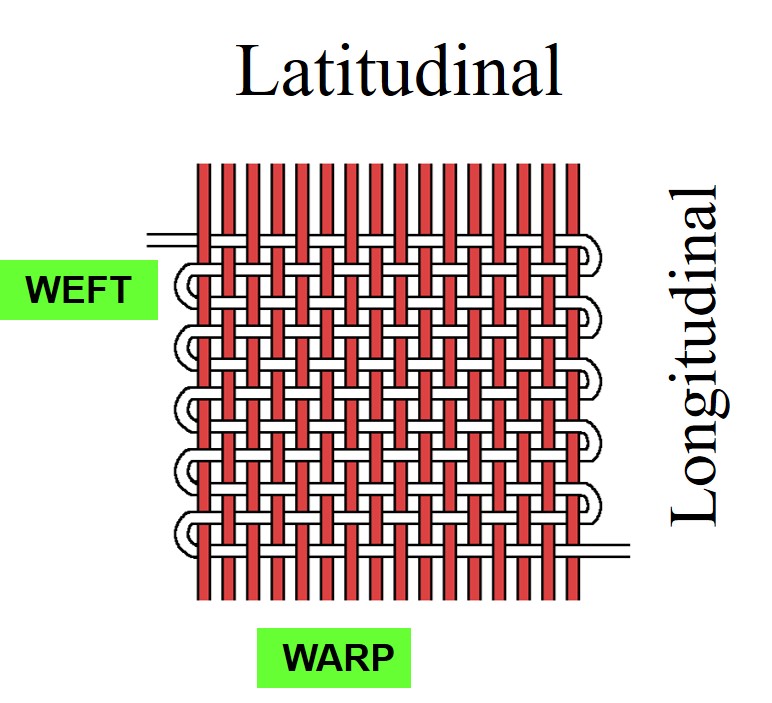
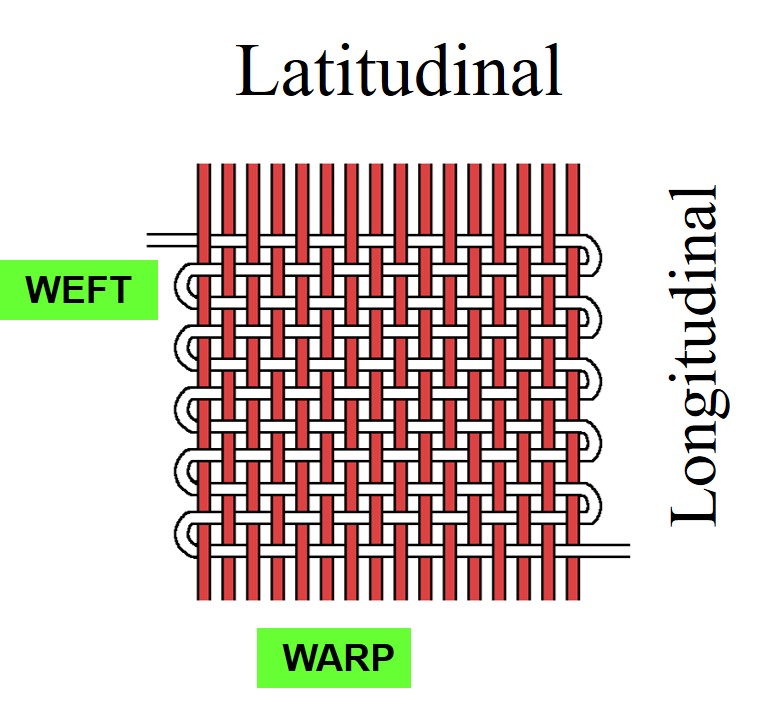
To understand the term Thread count first you should understand the term thread density. The thread density means number of yarns per unit length of the fabric in two principal directions. The two principal direction means length/longitudinal and width/latitudinal of the fabric. In weaving terms length direction is called the warp direction because the yarns running in this direction are called warp yarns and the width direction is called the weft direction because the yarns running in this direction are called weft yarns. The figure below shows the warp and weft directions.
What is thread count?
So the thread density means number of warp yarns and number of weft yarns per unit length. Usually one inch is taken as unit of length. Warp yarns are sometimes also called as ends and weft yarns are called as picks or fillings. Therefore, warp yarns/inch or ends/inch is warp density of the fabric…
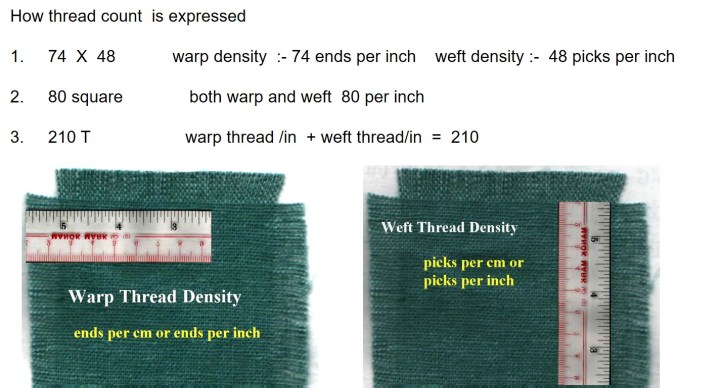
Thread count of the fabric or “T” or TPI of the fabric is actually the sum of warp density/inch and weft density/inch. Therefore, the thread count or T or TPI of the fabric can be calculated and expressed as shown in figure below.
So the thread count refers to the total number of threads in every square inch of a woven fabric especially for bed sheeting fabrics and work wear. It is a measure for fabric quality and durability and indicates how tightly the fabric has been woven. To go technical, the total number of warp threads (length) and weft threads (width) per square inch of fabric. ie thread density in a certain area of your fabric. The thread count is the number of threads counted thus added together. The alternative term used for thread count indicates its meaning well – threads per inch (TPI). So a 400-count fabric will have 200 warp threads and 200 weft threads in a square inch.
In countries like Australia, France and Italy the thread count is calculated every 10 square cm which measures 3.16cm x 3.16cm. The count in threads per 10 cm square will tend to be higher than threads per square inch. You have to be aware of this difference if you shop internationally. In addition, you must know that thread count is not used for knitted fabrics or fabrics like flannel, satin, or microfiber.
Is thread count the best way to gauge the quality of the fabric?
This is a very ambiguous question. Normally a high thread count is a good indicator as to the fabric being of good quality. But this also depends a lot on the quality of the yarns and the way it is woven and even where it is made. Some low thread count fabric may be of finer quality than a densely woven fabric woven with low-quality yarn. The problem with depending solely on thread count is that you may end up duped – especially when shopping online. This is because fabric with the same quality may be labeled as having different thread counts. There is a lack of standards in this area- textile manufacturers have their own labeling and they are not at all standardized. This results in different brands of fabrics with the same thread count to feel different and look different One fabric may be marked 1000 thread count but you may find that it looks and feels lower quality than a finer fabric you have which is marked 250 thread count. So when buying fabric rather than only look at the thread count, check on these factors as well –
Whether the yarn is of fine quality ?
Long staple yarns which have been combed to remove short fibers produce very smooth fine quality fabric. In true Egyptian cotton, they maintain a standard for fiber length throughout, which is why it has the reputation as the best and softest cotton. You can feel this in the fabric’s hand. If cheap yarns are used or thick and coarse yarns or inferior short plied yarns are used a high thread count would not matter much for the fabric and the fabric would not feel smooth and fine.
What is Ply of the fabric ?
Ply refers to how many yarns are twisted to form a single thread. Two-ply fabrics are made with two yarns twisted to form a single thread and this is superior to a single-ply fabric. Two-ply fabrics are more durable. A two-ply fabric is usually bought for shirting. When counting the thread count manufacturers should be counting only actual threads rather than each ply forming the threads. Usually, a thread count above 100 will imply a 2-ply fabric. A two-ply fabric with medium thread count is preferred for dressmaking otherwise the fabric will turn out to be too thick/dense.
How ThE FABRIC IS MADE?
This refers to the quality of the weaving processes involved and finishing processes used. The best weaving processes result in the best fabric – this is a simple truth. If the fabric is made with multiple, inferior yarns plied together and woven, this may result in an exaggerated thread count. For marking higher thread count, the manufacturers may use multiple-ply yarn where individual threads are twisted around each other but this does not make a good quality fabric. In dressmaking, the weaving process may excuse a low thread count – like in the case of an oxford weave fabric used to make shirts – the open weave with tiny holes in this fabric make it all the more attractive and some ask for this. But some may prefer a pinpoint oxford fabric because it has a higher thread count and lighter finer weave than the Oxford fabric.
What is a good quality thread count ? Is there a minimum and maximum to thread count?
Different types of fabric have different thread count ranges.
Clothing: A thread count of 150 is what you can expect for an average quality cotton fabric. For clothing fabrics, this is a pretty high number. Even 120 is high for dressmaking and 150 is termed excellent. If the fabric feels smooth and fine and the high thread count goes with it you can feel confident about the fabric. A linen fabric may have lower thread count than cotton but linen is a far superior fabric. So Linen may be marked with a thread count as low as 50 but may still be the best fabric you want for summer clothing . 50-140 Thread count is good with Linen.
Sheeting: 180-300 thread count is considered for good quality bed sheets but 300 to 400 thread count range is what people expect when buying higher quality sheets. But if you notice thread count above 400 it may be bogus as the maximum number of threads you can get on a loom is around 400, so how can it get higher. The fine percale woven cotton has a thread count of 225 or more and is much in demand for bed sheets. 280 thread count Percale gives the best quality bed sheet.
Silk: For silk fabrics, thread count is not counted as very important. Silk threads can vary greatly in terms of diameter and length. High momme (momme = a Japanese unit of weight = 4.33 g / m2 ) weight is the usual measure used to gauge its quality. (Visit for more details https://fabrieka.com/2020/07/24/what-is-gsm-or-weight-or-areal-density-of-a-fabric/). A 19-25 momme weight is considered when buying silk bedsheets and a higher than 22 momme weight is used for clothes. But when everything is equal, thread count is used as a measure. Then higher thread count is considered to be better. When mommy weight and thread count is high you have a good quality silk. A thread count of 300-350 is considered good quality though you will find superior luxurious 750 thread count silk fabrics.
Sewing & Embroidery: There are many instances in sewing where thread count is ignored – when you need a more open weave fabrics and thread density does not matter at all. Cross stitch embroidery uses fabric with low thread count – the stitches need to pass through fabric weaves which are visible. 22- 25 thread count Aida fabrics are regularly used for cross stitch. A linen used for embroidery usually comes with a higher thread count of 32.
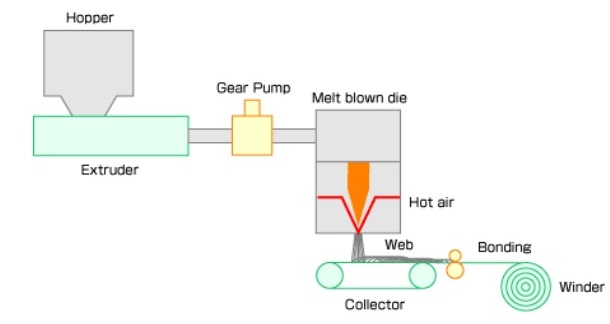
Melt-blown nonwovens are produced by extruding melted polymer micro- and nano fibers through a spinneret or die consisting of up to 40 holes per inch to form long thin fibers which are blown or stretched to a ultra-fine diameters typically ranging between 2-4 μm, and cooled by passing hot air over the fibers as they fall from the die as shown in Figure 3. The resultant web is collected on conveyor belt and bonded then into rolls and subsequently converted to finished products. The fibers in the web are usually self-entangled enough that additional bonding is not required. Melt-blown non-woven are used in hospital-medical uses and battery separators. The extremely fine fibers typically polypropylene differ from other extrusions particularly spun bond in that they have low intrinsic strength but much smaller size offering key properties. Often melt blown is added to spun bond to form SM or SMS webs, which are strong and offer the intrinsic benefits of fine fibers such as fine filtration, low pressure drop as used in face masks or filters and physical benefits such as acoustic insulation as used in dishwashers. One of the largest users of SM and SMS materials is the disposable diaper and feminine care industry. Melt-Blown nonwoven is applicable for filtration, absorbents, apparels and drug delivery systems. The substantial benefits of melt blowing are simplicity, high specific productivity and solvent-free operation. A typical melt blowing process consists of the following elements: extruder, metering pumps, die assembly, web formation, and winding.
A typical Melt Blown fabric making process
Polypropylene (PP) is the key raw material used for producing Melt-Blown Non-woven fabrics owing to low cost, flexibility, moderate strength & stability, lightweight, excellent moisture resistance, high temperature resistance, and insulation properties. PP nonwoven fabrics have wide applications especially in filtration, medical, hygiene and healthcare applications.
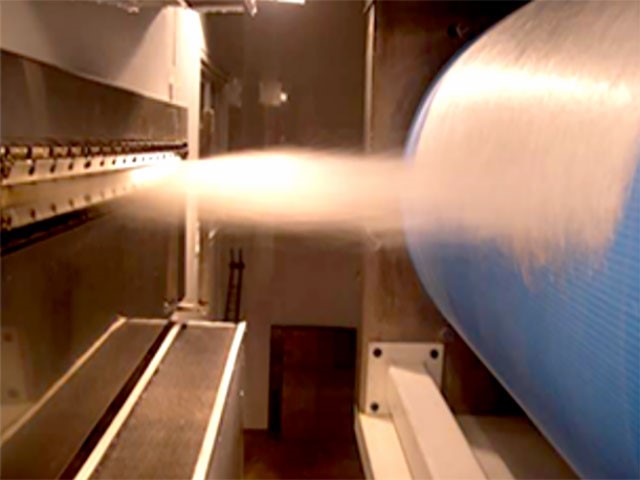
Melt-Blown process showing the blow of ultra-fine fibers and collector.
Polymers with thermoplastic behavior are applicable for melt blowing. The main polymer types commonly processed with melt blowing include following
Polypropylene
Polystyrene
Polyesters
Polyurethane
Poly amides (nylons)
Polyethylene
Poly carbonate
Atypical Melt-Blown non-woven fabric with embossed pattern used for filtration
Main Application Area of Melt Blown Non Woven Fabrics
The porous nonwoven melt-blown fabrics can be used in the filtration. This market segment continues to be the largest single application. The best known application is the surgical face mask filter media. The applications include both liquid filtration and gaseous filtration. Some of them are found in cartridge filters, clean room filters and others. Melt-Blown Nonwovens offer many advantages in all types of filtration. Whether a filter is designed to keep the air in your home clean, an operating room sterile, or to remove dirt and grit from the oil in your car before it reaches the engine, nonwoven fabrics get the job done. Anyone who suffers from allergies already knows that having a good heating and air conditioning filter in the home can help immeasurably in clearing the air. Air filters capture pollen, allergens, mold spores, and other microscopic particles to reduce symptoms and help everyone breathe easier. Medical filters made from nonwovens are key in any operating room to keep out pathogens, bacteria or microbes that might otherwise contaminate a sterile environment. Oil filters are an important component in your car. The nonwoven fabrics in the filters help remove contaminants from the engine oil, hydraulic oil, transmission oil and lubricating oil.
Examples of Melt-Blown Nonwoven Fabrics in Filtration
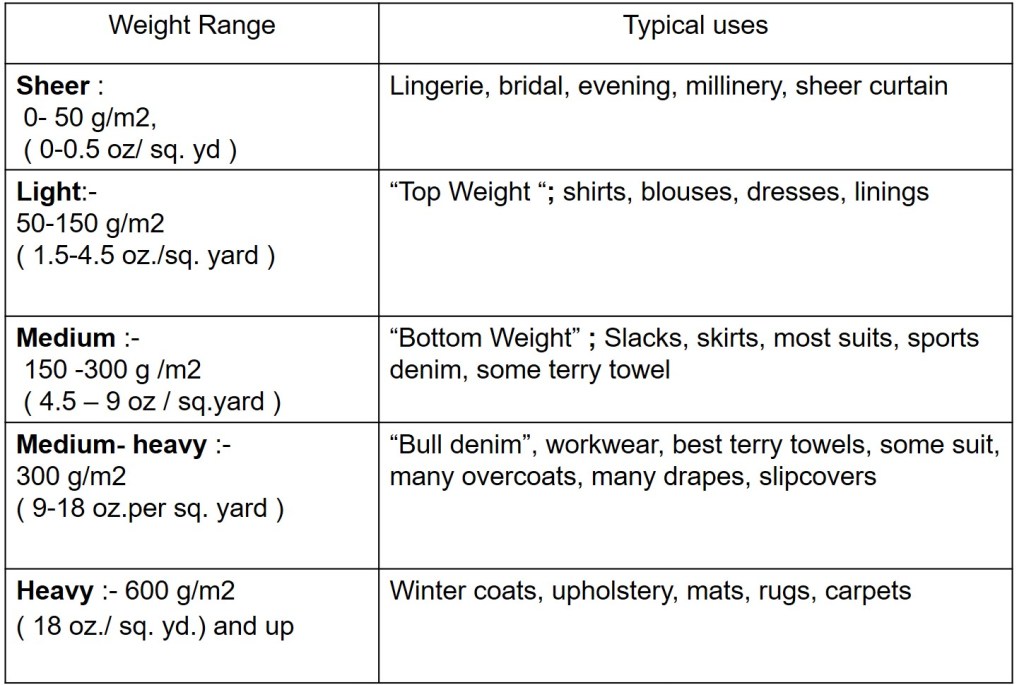
Typically the GSM stands for grams per square meter. Therefore GSM of a fabric means how much is the weight of a square meter of fabric in grams. In other words the weight in grams of a fabric with length X width = 1 meter X 1 meter. This is also called the areal density of the fabric or weight per unit area of the fabric.
Sometimes weight of the fabric can also be expressed in units other than grams and meter. There are a number of ways to express the fabric weight some of them are explained below.
grams per square metre ( g / m2 )
ounces per square yard ( oz. / yd 2 )
momme ( a Japanese unit of weight = 4.33 g / m2 )
grams per running metre (g / m )
ounces per running metre ( oz. / yd )
The table below shows some typical LIGHT-HEAVY weight fabrics based on their GSM and their typical uses.
To understand the term Thread count first you should understand the term thread density. The thread density means number of yarns per unit length of the fabric in two principal directions. The two principal direction means length/longitudinal and width/latitudinal of the fabric. In weaving terms length direction is called the warp direction because the yarns running in this direction are called warp yarns and the width direction is called the weft direction because the yarns running in this direction are called weft yarns. The figure below shows the warp and weft directions.
What is thread count?
So the thread density means number of warp yarns and number of weft yarns per unit length. Usually one inch is taken as unit of length. Warp yarns are sometimes also called as ends and weft yarns are called as picks or fillings. Therefore, warp yarns/inch or ends/inch is warp density of the fabric. Similarly weft yarns/inch or picks/inch or fillings/inch is weft density in the fabric.
Now let’s discuss what is thread count of the fabric? Thread count of the fabric or “T” or TPI of the fabric is actually the sum of warp density/inch and weft density/inch. Therefore, the thread count or T or TPI of the fabric can be calculated and expressed as shown in figure below.
So the thread count refers to the total number of threads in every square inch of a woven fabric especially for bed sheeting fabrics and work wear. It is a measure for fabric quality and durability and indicates how tightly the fabric has been woven. To go technical, the total number of warp threads (length) and weft threads (width) per square inch of fabric. ie thread density in a certain area of your fabric. The thread count is the number of threads counted thus added together.
The alternative term used for thread count indicates its meaning well – threads per inch (TPI). So a 400-count fabric will have 200 warp threads and 200 weft threads in a square inch. In countries like Australia, France and Italy the thread count is calculated every 10 square cm which measures 3.16cm x 3.16cm. The count in threads per 10 cm square will tend to be higher than threads per square inch. You have to be aware of this difference if you shop internationally.
Normally a high thread count is a good indicator as to the fabric being of good quality especially for bed sheet fabrics and work wear. But this also depends a lot on the quality of the yarns and the way it is woven and even where it is made. Some low thread count fabric may be of finer quality than a densely woven fabric woven with low-quality yarn.
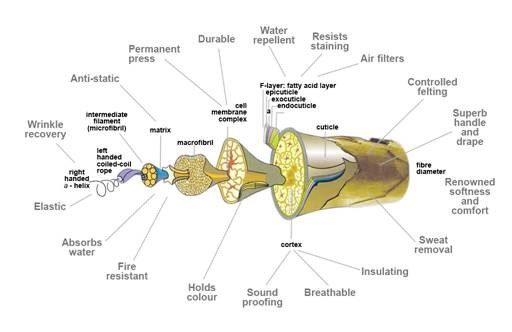
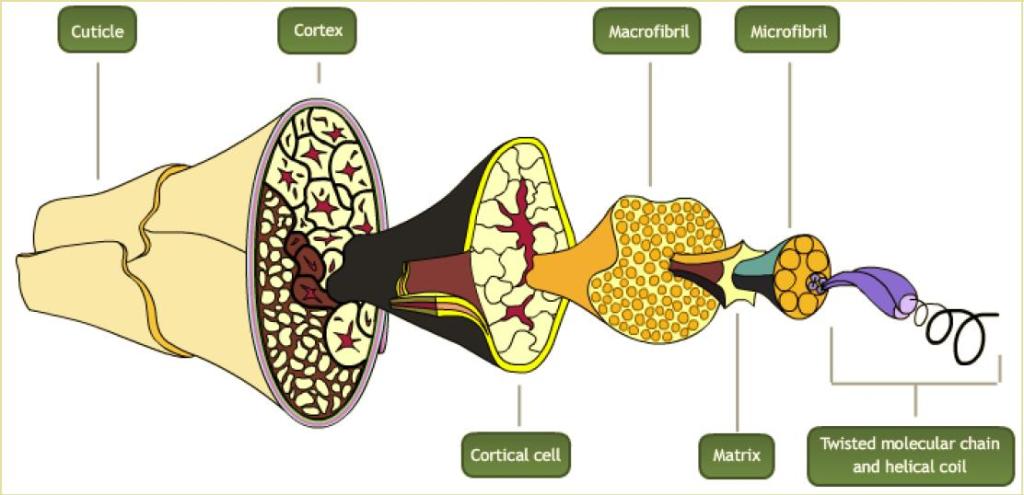
In addition to the particular tensile and other properties, the special features of structure of wool fibre are crimp, which leads to high bulk and softness, and scales, which lead to felting. Good recovery properties are also beneficial, and especially the regeneration of properties by washing. The structural elements of wool fibre and their specific role in terms of performance are shown in Figure below.
The structural elements of wool fiber and their specific function. fabrieka.com
The advantages of wool fibre structure are explained briefly as under.
The complex interior structure creates flexibility and absorbency
The cortical cells in the wool structure have a complex interior structure. The smallest component within these cells is a spring like structure which gives wool its flexibility, elasticity, resilience and wrinkle recovery properties. This spring like structure is surrounded by a matrix which contains high Sulphur proteins that readily attract and absorb water molecules. Wool can absorb up to 30% of its weight in water without feeling wet. It also absorbs and retains dyestuff very well, helps remove sweat and absorbs odors. The matrix also creates wool’s fire resistant and anti static properties.
Crimp in wool structure
The crimp in wool fibers makes it soft and springy to touch. It also adds bulk and traps a large volume of air between the fibers, giving it good insulation properties. Finer fibers with more crimp such as merino gives good draping properties. The natural crimp of the wool fiber also contributes to the overall elasticity.
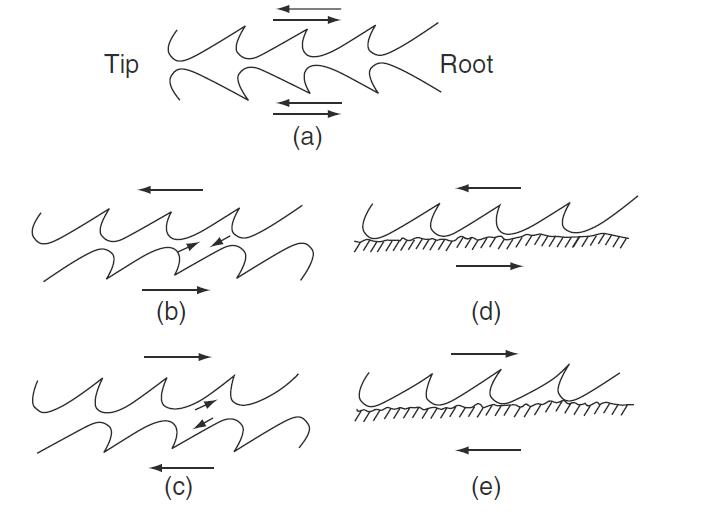
Scales of surface and directional frictional effect
The wool fibre has the unusual feature of a directional frictional effect due the existence of scales. Scales are exposed edges of the cuticle cells point towards the tip of the fibre creating a jagged edge. This allows fibers to slip over one another easily in one direction but not the other and giving wool the ultimate ability to felt. Felt is created when wool fibers are agitated in water they slip over one another and the scales interlock preventing the fibre from returning to its original shape eventually, a highly interlaced and self-locking felt is produced. The process can be controlled to create very dense fabrics such as felt and wool blanket and jacket fabrics.
Directional friction in wool (a) between fibers lying in same direction (b) between fibers against scales (c) between fibers with scales (d) on plane surface against scales (e) on plane surface with scales. fabrieka.com
Absorbency creates comfort
When wool absorbs moisture it produces heat so if you go from a warm room into a cold damp night wearing a wool jersey the wool picks up water vapor from the air keeping you warm. The reverse occurs when you go back into the warm room the moisture in your jersey passes into the atmosphere cooling you down. Tiny pores in the cuticle cells allow water vapor to pass through the wool fibre. This makes wool comfortable to wear in both warm and cool conditions.
Water repellent and strong surface
The cuticle cells provide a tough exterior, protecting the fibre from damage. The cells have a waxy coating, making wool water repellent, but still allowing absorption of water vapor. The water-repellent surface makes wool garments naturally shower-proof and also reduces staining because spills don’t soak in easily.
Elastic recovery
The recovery behaviour of wool fibre structure is unique and completely different than other polymers. Most of the polymers do not have recovery from yielding. In wet condition the wool fibre has complete recovery from extension up to 30%. The recovery behavior is an important structural feature of wool fibre. The composite structure of wool fibre is treated as a fibril with helical chains in parallel with an amorphous matrix, with the two linked at intervals to give a series of zones. The links correspond to the IF keratin tails which are cross-linked to the matrix. When the wool fiber is extended these zones open up and after removal of stress all the extended zones of fibril matrix composite will contract together without any critical factor until they disappear and the initial stress strain curve is rejoined
Wool structure helps in air cleaning
The complex chemistry of wool fiber enables it to bind pollutant gasses including formaldehyde, sulfur dioxide, nitrogen dioxide and others chemically into its structure. It has been estimated that wool carpets can continue purifying indoor air for up to 30 years. Researchers, using a controlled environment chamber have demonstrated that wool carpet can reduce high levels of introduced formaldehyde to virtually zero within four hours. Studies by the US Gas Research Institute which compared 35 building and furnishing materials showed that wool carpets have one of the highest removal rates of nitrogen dioxide of any of these materials. The UK Atomic Energy Research Establishment has shown that large amounts of sulfur dioxide are also irreversibly absorbed by wool carpets. Wool is a highly complex fiber that has been created by nature over thousands of years. It is simply not possible to get the benefits of wool from any man-made fiber.
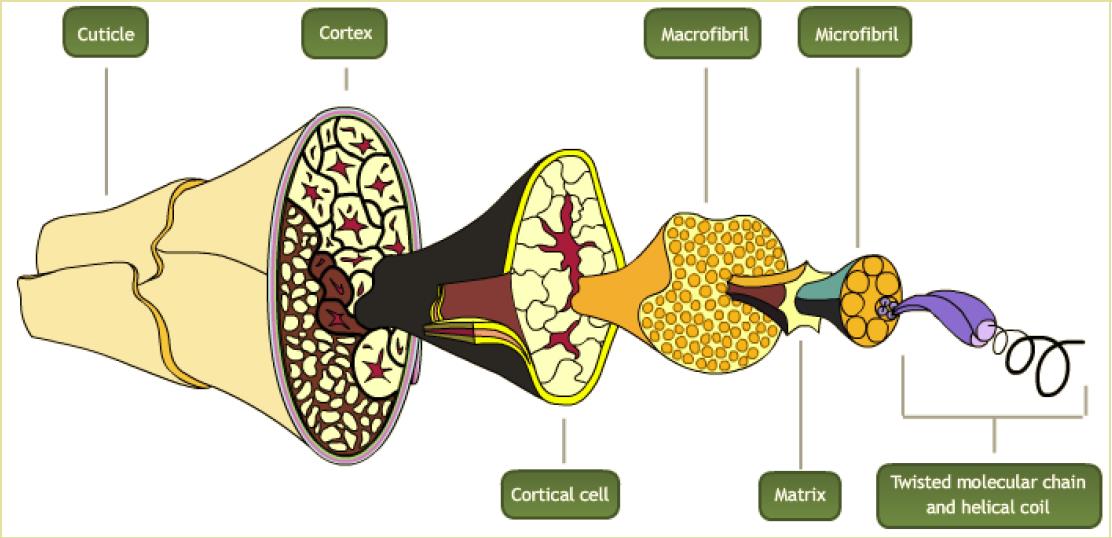
The general model of wool fibre structure is represented by figure 8 which shows the overall hierarchy of structural elements. Under the microscope, the wool fiber looks like a long cylinder with scales on it. The fiber is very curly and springy. The fibre is surrounded by cuticle cells which overlap in one direction. The cuticle cell consists of four layers including the epicuticle, the A-layer and the B-layer of the exocuticle and the endocuticle. The cortical cells of spindle form aligned with the fibre axis and with their fringed ends interdigitating with each other, are surrounded by the cuticle. Cell membrane complex (CMC) comprising internal lipids and proteins, separates the cuticle and cortical cells. This CMC is responsible for strong intercellular bonding via proteins called desmosomes. Macrofibrils oriented in the direction of the fibre axis and embedded into the inter-macrofibrillar matrix which contains cytoplasmic residues and nuclear remnants, are confined into the cortical cells. The macrofibrils consist of hundreds of microfibrils embedded in a matrix of interfilament material (KAP). The microfibrils contain pair of twisted molecular chains. The two kinds of cortex cells can be distinguished due to different intensity of staining. The orthocortex cells appear lighter and the paracortex cells appear darker upon staining with silver nitrate in ammonia solution.ImageUpload an image file, pick one from your media library, or add one with a URL.UploadMedia LibraryInsert from URL
The general model of wool fiber fabrieka.com
The cuticle
The cuticle cell is a rectangular sheet, slightly bent, with a width of about 20mm, a length of 30mm and a thickness of 0.5–0.8mm. The cuticle contributes about 6 – 16% weight to the fibre. The outer cuticle cell is thicker than the cuticle cells lying below it. The cuticle cells have some overlap, with the transition from one cuticle cell to the next being either planar or stepwise. The surface of the cuticle cells contains a covalently bound fatty acid.
The epicuticle
This is the outer most layer and is the thin water repellent membrane. It is the only non-protein part of the fiber and it protects the fiber like a covering of wax. However epicuticle composed of many microscopic pores and water vapors passes through these microscopic pores in the sheath. Therefore, it repels water but is permeable to water vapor. The epicuticle is highly resistant to attack from alkalis, oxidizing agents and proteolytic enzymes. It is about 2.5 nm thick and amounts to approximately 0.1% of the weight of the fibre. It has been considered to consist of lipids, proteins, and/or carbohydrates. Due to its chemical inertness it is called a resistant membrane.
The Scale cell layer
Beneath the epicuticle there is a layer of flat, scale-like cells. This layer consists of horny, irregular scales called epithelial scales which cover the fiber. The number of scales varies greatly depending on the fineness of the fiber. In Marino wool the scales could be up to 790/cm and in coarse wool up to 276/cm.
The cortex
Cortex is enclosed within the cuticle. It is the main central portion of wool fiber. About 90% of the fiber consists of Cortex with ortho cortex being (60–90%) and paracortex cells being (40–10%). The orthocortex is responsible for the crimp in wool fibre. The crimp makes wool feel springy and provides insulation by trapping air.
The cortical cell
It is built up from long, spindle shaped cells which provide the strength and elasticity of the wool fiber. These cortical cells are held together by a strong binding material. The cortical cells are themselves built up from fibrous components called fibrils, which are in turns constructed from protofibrils. These may be seen through the electron microscope. The cortical cells are surrounded and held together by a cell membrane complex (CMC), acting similarly to mortar holding bricks together in a wall. The cell membrane complex contains proteins and waxy lipids and runs through the whole fibre. The molecules in this region have fairly weak intermolecular bonds, which can break down when exposed to continued abrasion and strong chemicals. The cell membrane complex allows easy uptake of dye molecules.
The macro-fibrils
Each cortical cell is composed of 5–20 macrofibrils at the widest point with a diameter of 100–300 nm embedded into the inter-macrofibrillar matrix material comprising OF cytoplasmatic and nuclear remnants of the keratinocytes. These are made up of bundles of even finer filaments called microfibrils, which are surrounded by a matrix region. The matrix consists of high Sulphur proteins. This makes wool absorbent because Sulphur atoms attract water molecules. Wool can absorb up to 30% of its weight in water and can also absorb and retain large amounts of dye. This region is also responsible for wool’s fire-resistance and anti-static properties.
The micro-fibrils
The macrofibrils are composed of bundles of 500–800 microfibrils (KIF), each of them being enveloped by KAPs. There are five acidic (Type I KIF) and five basic (Type II KIF), and more than a hundred KAPs, some of which are heavily crosslinked. The microfibrils in the matrix are rather like the steel rods embedded in reinforced concrete to give strength and flexibility. The microfibrils contain pairs of twisted molecular chains.
Twisted molecular chain and helical coil
Within the twisted molecular chains are protein chains that are coiled in a helical shape much like a spring. This structure is stiffened by hydrogen bonds and disulphide bonds within the protein chain. They link each coil of the helix, helping to prevent it stretching. The helical coil is the smallest part of the fiber and gives wool its flexibility, elasticity and resilience, which helps wool fabric keep its shape and remain wrinkle-free in use.
A unit of matter characterized by flexibility, fineness, and high ratio of length to thickness. The most common plant fiber is cotton, which is typically spun into fine yarn for mechanical weaving or knitting into cloth. Cotton and polyester are the most commonly spun fibers in the world. Cotton is grown throughout the world. After harvesting it is ginned and prepared for yarn spinning. Polyester is extruded from polymers derived from natural gas and oil. Synthetic fibers are generally extruded in continuous strands of gel-state materials. These strands are drawn (stretched), annealed (hardened), and cured to obtain properties desirable for later processing.
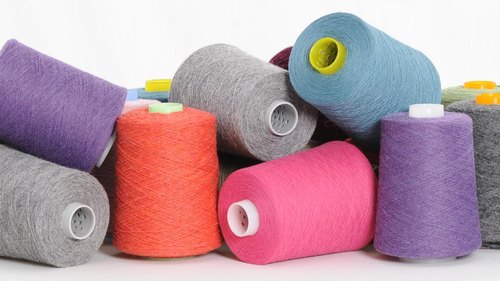
Yarn is a long continuous length of interlocked fibers, suitable for use in the production of textile, sewing, crocheting, knitting, weaving, embroidery, or roapmaking. Thread is a type of yarn intended for sewing by hand or machine. Modern manufactured sewing threads may be finished with wax or other lubricants to withstand the stresses involved in sewing. Embroidery threads are yarns specifically designed for needlework.
A manufactured assembly of fibers and /or yarns, which has substantial surface area in relation to its thickness and sufficient mechanical strength to give the assembly inherent cohesion.
Note :- Fabrics are most commonly woven or knitted, but the term includes assemblies produced by lace making, tufting, felting, embroidery, net-making, and the so-called non-woven processes.
Woven fabric
Woven fabric is a textile that results from interlacements ( crossing each other at an angle of 90) in a specific pattern of two yarns one in length direction and other in width direction. In weaving, threads are always straight, running parallel either lengthwise (warp threads) or crosswise (weft threads) and the two are interlaced.
Knitted fabric is a textile that results from knitting (Inter-looping). Its properties are distinct from woven fabric in that it is more flexible and can be more readily constructed into smaller pieces, making it ideal for socks and hats. In weaving, threads are always straight, running parallel either lengthwise (warp threads) or crosswise (weft threads) and the two are interlaced. By contrast, the yarn in knitted fabrics follows a meandering path (a course), forming symmetric loops (also called bights) symmetrically above and below the mean path of the yarn. These meandering loops can be easily stretched in different directions giving knit fabrics much more elasticity than woven fabrics. Depending on the yarn and knitting pattern, knitted garments can stretch as much as 500%.
Non-woven fabric is a fabric-like material made from staple fiber (short) and long fibers (continuous long), bonded together by chemical, mechanical, heat or solvent treatment.
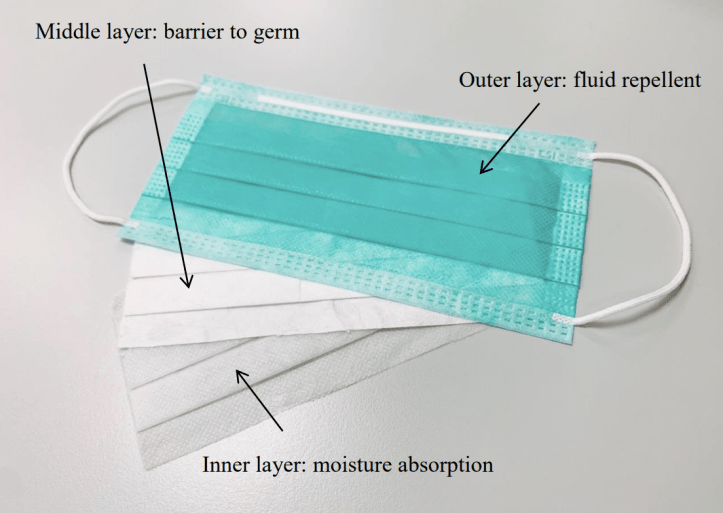
A surgical mask made of non-woven fabric fabrieka.com
This is not the first time that human race has faced the pandemic. Even before this, several epidemics have affected a large part of the world in different periods The recent corona virus has spread from “patient zero” to more than 200 countries around the globe. In many countries, the virus is spreading at an alarming rate due to collective incompetence. However, in some countries, with strong government efforts and social support, the epidemic has been not only being limited but eradicated.
When the Corona virus reached Pakistan, the government, and the people initially showed some responsibility, which led to significant results in limiting virus spread. But soon the people exhaustion, the fear of the sale season being over, the greed to sell the conspiratorial theories, resulted in circumduction the cautions. Under pressure from various quarters, the government with lack of decision power, adopted an unannounced policy of “herd immunity” out of fear of starvation Lock down was eased at a time when the pandemic was getting momentum, but what if the government, religious, commercial and social circles decided to use lies as shield for pandemic? One faction after another agitated for opening up business. On hollow promises of safety measures. And instead of stopping Corona, there were more attempts to spread. Some opinion makers sold the lie to gain ratings, upon which general public made a mockery of the security arrangements. More than 1,08,000 people have been infected with the corona virus in the country. We are ranked 15th in the world in terms of number of patients and not even in the top 100 countries in terms of safety measures.
The most ridiculous act leading to mass suicide was to ridicule the opinion of doctors. According to doctors in Punjab alone, the results are in front of us in the form of 20 million patients. At the government level, minimum testing is a tactic to limit the number of patients. Although we made a number of frivolous and frightening demands, such as seeing the patient with our own eyes, being the victim of an acquaintance, the death of an acquaintance with the virus, the victim from politicians, which unfortunately the Corona virus continues to fulfill rapidly. And the situation today is that our acquaintances are dying of the virus.
It is unfortunate that as long as the virus was spreading in China, we called the result of eating bats, when it reached Europe it was torment, the punishment of American obedience when it reached Saudi Arabia, the reason for women’s clothing when it reached Pakistan, the conspiracy of capitalism. A plan to install micro-chip in our bodies. It was announced, as well as a promised that on arising “surraya star” and reciting “azaans’ virus can be eradicated. Now that all the claims have been proven to be false one by one, a new tune is being sung that doctors are injecting poison into people suffering from minor ailments and selling their bodies for dollars. Empty coffins are being buried in the name of safety and bodies are being sent to the United States.
The result of the total government works so far, the establishment of the National Command and Control Authority without medical experts, the contradictory government briefings, the arrangement of 29,000 beds, and the ongoing ridiculous smart lock down. This painful situation can only be described as the work of our own hands. The lies that have been told to each other and to oneself at the governmental, social and public levels are in front of us today in a very horrible form, and the signs of worsening situation are very clear. Unfortunately, it was our collective decision that doctors and the World Health Organization should not be listened, the pandemic should be considered a minor flu, the tune of imperialist conspiracy should be sung, conspiracy to destroy the economy and enslave us, pandemic should be called punishment for infidels, virus shall automatically vanish in hot weather, Let yourself be deceived in the name of imaginary strong immunity, baseless medical tips and scoffing smart lock down.
This is the reason why patients lying at home today are being hidden for fear of injecting poison. The heart of the surviving historian will surely shed tears of blood when countless corpses will be written as punishment for the crime of not keeping social distance, washing hands with soap, not staying home, not taking simple measures like keeping children and the elderly at home. surely his heart will come out when he writes the reasons of this ruinate for our “lie” to each other and to ourselves.
WhatsApp will not work on a number of old smartphone models. Some of the Apple and Android phones with older models have just days left until WhatsApp will not work for them and users cannot access messages, photos and videos.
On November 1 (Monday), 43 smartphone models with Android and iOS – will stop working.
Smartphone models with Android 4.0.4 or earlier installed will become incompatible with WhatsApp, as well as iPhones with iOS 9 or earlier installed.
Following phone models are included in the list check if yours is on the list and upgrade as soon as possible or at least back up your chat history, photos or videoa.
A textile yarn is a continuous strand of substantial length and relatively small cross-section composed of staple fibers or filaments suitable for weaving, knitting, or other form of fabric making process. In staple yarns the fibers are twisted while in filaments yarn the filaments may or may not be twisted. The fineness or thickness of a yarn is known as a count of yarn. It is also called the linear density of the yarn. The count of yarn is expressed in the form of numerical numbers. Different systems are used in the different regions of the world to express the count of the yarn (linear density of yarn). There are mainly two systems to measure yarn count. Indirect system and direct system. The indirect system measures the length per unit weight of yarn while the direct system measures weight per unit length of a yarn. The two systems are explained briefly as under.
1).Indirect System
Indirect system measures yarn count as length per unit weight of yarn. Where length is taken in hanks and weight is taken in lbs. 1hank = 840 yards. In this system the weight is fixed while length is vaiable. For example, A count of 40 Ne means that there are 40*840yards = 40hanks of yarn length in one lbs of yarn. Hank is a standard length unit and 1Hank is equal to 840yards. Likewise a 30Ne would have 30hanks or 30*840yards of length in one lbs weight. Thus higher the count, finer the yarn. The system is generally used for cotton, worsted, linen yarns etc.
For ease of calculation the indirect system uses following formula:
Ne = 0.54 * (L/W)
Where, N is the yarn count, 0.54 is a constant, L is the length of yarn in yards, W is the weight of yarn in grams. This system is also called English Count system or cotton count system and mostly used for cotton yarns and can also be written as (Ne).
Commonly used Indirect yarn count systems:
English system: It is defined as the number of hanks (840 yds) per pound. Metric system: It is defined as the number of hanks (1000m) per kg. Worsted system: It is defined as the number of hanks (540yds) per pound.
2). Direct system
Direct system measures yarn count as weight per unit length of yarn. Where weight is taken in grams and length is taken in kilometers. So it is the number of grams per one kilometer of yarn and is written as “Tex”. For example, A count of 40Tex means that there are 40 grams of yarn weight in one kilometer length of yarn. Likewise a 30Tex would have 30 grams weight in one kilometer length. In this system higher the count, coarser is the yarn. This system is generally used for synthetic fibre, jute and silk, etc.
The direct system uses following formula:
Tex = (W/L)
Where, Tex is the yarn count, W is the weight of yarn in grams, L is the length of yarn in kilometers.
Commonly used Direct yarn count systems:
Tex system or Lea count: It is defined as the weight in grams of 1000 m. Denier: The number or, count in the denier system is the weight in grams of 9000 m. Pounds per spindle (Jute system): Count in the pound per spindle system is the weight in pounds of 14400 yards of yarn.
روس نے خلا میں پہلا انسان بھیجا تھا لیکن چاند پر پہلا انسان امریکہ نے اتارا۔ کیا آپ جانتے ہیں کہ یہ سبقت امریکہ نے روس کے ایک ایسےشہری کی وجہ سے حاصل کی جس کے دو نام تھے ، یک اصلی اور ایک نقلی ۔ اگرچہ وہ دونوں نام ایک عام آدمی کیلئے طویل عرصے تک گمنام رہے۔
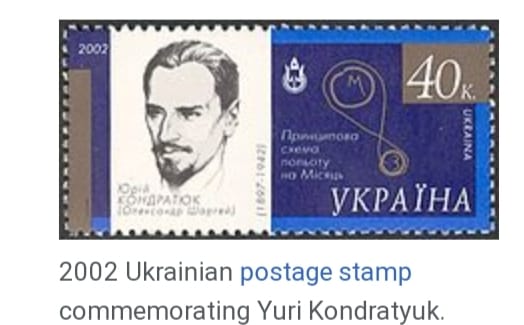
الیگزینڈر آئیگناٹوچ شریگی کو دنیا نے اس وقت جانا جب نیل آرمسٹرونگ نے چاند کی تسخیر کے بعد روس کا دورہ کیا ۔ وہ شریگی کے آبائی گھر گیا وہاں عقیدت کے اظہار کیلئے خاموش کھڑا رہا۔کہا جاتا ہے کہ آرمسٹرانگ اس کے گھر کے باہر سے مٹی کی ایک مٹھی یادگار کے طور پر اپنے ساتھ لیکر امریکہ آیا ۔ نیل ارمسٹرانگ نے روس کو اپنے اس گمنام ہیرو کی یاد منانے کیلیئے درخواست کی ۔ بعد میں شریگی کے نام پر ایک ڈاک ٹکٹ جاری کی گئی ، ایک ادارہ بنایا گیا اور 1997 میں ایک سیارے کا نام یوری کانڈرٹائک کے نام پر رکھا گیا ۔
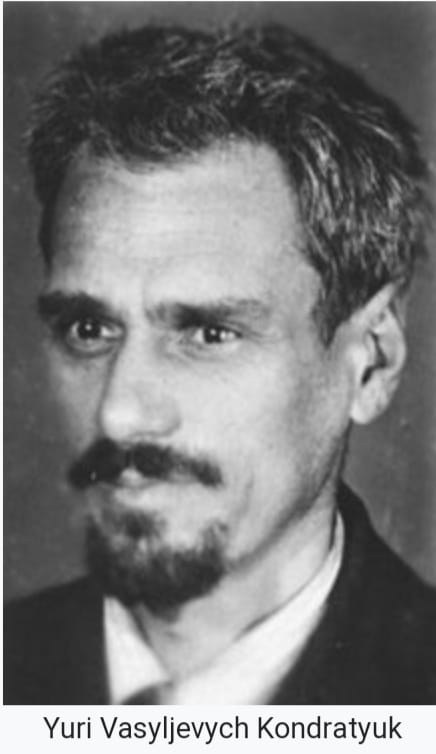
Aleksandr Ignatyevich Sharegi
یوری کانڈرٹائک ، الیگزینڈر شریگی کا دوسرا نام ہے ۔ نیل آرمسٹرانگ نے یہ سب کچھ اس لئے کیا کیونکہ وہ سمجھتا تھا کہ شریگی کی کتاب کے بغیر چاند کی تسخیر ایک ادھورا خواب ہونا تھا ۔ شریگی 1897 میں روس میں پیدا ہوا ۔ اس کی ابتدائی زندگی کے بارے میں زیادہ معلومات میسر نہ ہیں ۔ شریگی کی ماں ایک متحرک سیاسی کارکن تھی اور روس میں یہ کام آسان نہ تھا ۔ جب شریگی پانچ سال کا ہوا تو اسکی ماں کو زار پولیس نے گرفتار کر لیا اور پھر اسکی کوئی خبر نہ ملی۔ پانچ سالہ شریگی کے باپ کے پاس ایک چھوٹی سی لائبریری تھی جس میں سائنس کی کتابیں تھیں ۔ شریگی کا بچپن انہی کتابوں کے ساتھ گزرا ۔ جب شریگی 13 سال کا ہوا تو اسکے باپ کا انتقال ہو گیا ۔ اب شریگی اپنی دادی کے ساتھ رہنے لگ گیا ۔ تمام نامساعد حالات کے باوجود شریگی نے ایک اچھے سکول میں داخلہ حاصل کر لیا بلکہ وہ اپنی ذہانت کی بدولت اس سکول سے یوکرائن کے انجینئرنگ کالج پہنچنے میں بھی کامیاب ہوگیا ۔ لیکن کالج میں داخلے کے 3 ماہ بعد ہی پہلی جنگ عظیم کا آغاز ہوگیا اور شریگی کو میدان جنگ میں جانا پڑا ۔ شریگی انسان کو خلا میں بھیجنے کا خواب دیکھتا تھا ۔ وہ انسان کو چاند پر اترتا ہوا دیکھنا چاہتا تھا۔ اسکی اس خواہش کو اسکے کالج کے ساتھی دیوانے کا خواب ہی سمجھتے تھے ۔ لیکن شریگی جنگ کے دوران بھی اپنی چھوٹی سی ڈائری میں اسی خواب کے بارے میں لکھتا رہتا تھا اور تصویریں بناتا رہتا تھا ۔ اسی میدان جنگ میں شریگی نے ایک ایسی تھیوری مرتب کی جسکی وجہ سے نیل آرمسٹرانگ چاند پر پہنچا ۔ جنگ کے بعد شریگی کو کان کنی کے کام کا نگران بنادیا گیا ۔ اب روس میں انقلاب آچکا تھا اور شریگی اپنے خاندان کے ماضی کی وجہ سے انقلاب دشمن لوگوں کی فہرست میں آگیا ۔ اس نے روس سے پولینڈ بھاگنے کی کوشش کی لیکن وہ ناکام رہا ۔ اگلی تین سال شریگی نے کہاں گزارے ، یہ کوئی بھی نہیں جانتا ۔ تین سال بعد شریگی دوبارہ نمودار ہوا تو وہ ”الیگزینڈر شریگی ” نہیں تھا ۔ اپنے ماضی سے خوفزدہ شریگی نے ایک مردہ آدمی کا نام اور شناخت اپنا لی تھی ۔ اب اسکا نام “یوری کانڈرٹائک” تھا۔ اس نام نے اسے اتنی ہمت دی کہ وہ اپنی وہ کتاب چھپوانے میں کامیاب ہوگیا جس کے خواب وہ میدان جنگ کی خندقوں میں دیکھا کرتا تھا ۔ کسی بھی پبلشر کو اس کتاب سے نفع کی امید نہیں تھی اس لئےکانڈرٹائک نے یہ کتاب اپنے خرچے پر چھپوائی ۔ کانڈرٹائک نے کی یہ کتاب ایک ایسے مستقبل کے نام خط تھا جس مستقبل کا خواب اسکے علاوہ کسی نے نہیں دیکھا تھا ۔ کانڈرٹائک نے اس کتاب کا آغاز اس جملے سے کیا ہے ، ” یہ کتاب اس کیلئے ہے جو اس کتاب کو سیاروں کے درمیان چلنے والے راکٹس بنانے کیلئے پڑھے گا” کانڈر ٹائک کو اب ایک نئی ذمے داری ملی اور اور اس زہین آدمی نے ایک معجزہ کر دکھایا ۔ اس نے غلے کا ایک خودکار گودام بنانا شروع کیا ۔ روس ان دنوں لوہے کے شدید بحران کا شکار تھا ۔ کانڈر ٹائک نے لکڑی کے اس گودام میں لوہے کا ایک کیل بھی استعمال نہیں کیا ۔اس گودام کا نام “مسٹاڈون ” تھا۔ یہ عظیم گودام 60 سال تک کام کرتا رہا اور 1981 میں ایک آتشزدگی کی وجہ سے تباہ ہوا۔ لیکن سٹالن کا روس ایک عجیب ملک تھا۔ کسی کو غدار قرار دینا سب سے آسان کام تھا ۔ قیدی قید میں ڈال دیئے جاتے تھے اور پھر انہیں بھلا دیا جاتا تھا ۔ کانڈر ٹائک کے مخالفین نے اس گودام کو وسائل کا ضیاع قرار دیا اور وہ پھر ایک بار جیل میں پہنچ گیا ۔ یہ جیل ایک کیمپ تھی جہاں قیدیوں سے مختلف منصوبوں پر کام لیا جاتا تھا ۔ یہاں کانڈر ٹائک نے ایک پن چکی کے منصوبے پر کام شروع کیا ۔ یہیں کانڈر ٹائک کی ملاقات سرگی کارولوف سے ہوئی جو اسی کی طرح خلائی تحقیق میں کام کرنا چاہتا تھا ۔یہی سرگی کارولوف بعد میں روس کے خلائی پروگرام کا باوا آدم بنا ۔ وہ کانڈر ٹائک کے نظریات سے متاثر ہوا اور اس نے کانڈر ٹائک کو اپنے ساتھ کام کرنے کی پیشکش کی ۔ اور یہ وہ لمحہ تھا جب کانڈر ٹائک ایک بار پھر اپنے ماضی سے ڈر گیا ۔وہ جانتا تھا کہ اگر وہ خلائی پروگرام میں شامل ہوا تو اس کی مکمل تحقیق کی جائیگی اور اگر اسکا ماضی الیگزینڈر شریگی کی صورت میں سامنے آگیا تو اسے موت سے کوئی نہیں بچا سکے گا ۔ کانڈر ٹائک نے کارولوف کو انکار کیا اور ایک بار پھر گمنامی کی زندگی میں چلا گیا ۔ دوسری جنگ عظیم میں کانڈر ٹائک پھر فوج میں شامل ہوا اور اور صرف 44 سال لکی عمر میں جنگ میں مارا گیا ۔ اب الیگزینڈر شریگی یا کانڈر ٹائک کی کہانی امریکہ میں داخل ہوئی ۔ اپالو پروگرام کے ابتدائی دنوں میں امریکی سائنسدان اس مسئلے پر غوروفکر میں تھے کہ کسی راکٹ کو چاند پر کیسے اتارا جا سکتا ہے اور کیسے دوبارہ اڑایاجا سکتا ہے ۔ ایک طاقتور راکٹ کو چاند پر اتارنا ایک بہت مشکل کام تھا اور اس پروگرام کے نگران سائنسدان جان ہوبولٹ اپنی ٹیم کے ساتھ سر تور کوششوں میں لگے ہوئے تھے لیکن سوچ جیسے رک گئی تھی ۔ اور پھر کانڈر ٹائک کی کتاب دو امریکی سائنسدانوں کے ہاتھ لگ گئی۔ وہ یہ کتاب لیکر جان ہوبولٹ کے پاس آئے ۔ اور یہ مسئلہ حل ہوگیا ۔ کانڈر ٹائک نے اپنی کتاب میں یہ نظریہ پیش کیا تھا کہ ایک راکٹ زمین سے اڑ کر چاند تک جائے اور چاند کے مدار میں چکر لگانا شروع کرے ۔ پھر اس راکٹ سے ایک چھوٹی گاڑی علیحدہ ہو اور چاند پر اترے۔ بعد میں یہی چاند گاڑی چاند سے اڑے اور مدار میں گھومتے ہوئے راکٹ سے آملے ۔ پھر وہ راکٹ زمین پر واپس آجائے ۔ اب یہ بات سمجھنی نہایت آسان ہے کہ نیل آرمسٹرانگ کانڈر ٹائک کے گھر کے سامنے عقیدت سے کیوں کھڑا رہا تھا۔ لیکن کانڈر ٹائک نے اس کتاب میں ائک اور ایسا خیال پیش کیا تھا کہ جو آج تک سیاروں کے درمیان سفر کی روح ہے ۔ یہ خیال تھا گریویٹیشنل کک کا ۔ کانڈر ٹائک نے بتایا تھا کہ کس طرح کوئی راکٹ سیاروں کی کشش کا استعمال کر کے اپنی رفتار بڑھا سکتا ہے اور اپنا راستہ متعین کر سکتا ہے ۔ دو ناموں والا یہ گمنام سائنسدان نہ صرف انسان کو چاند پر لے گیا بلکہ وائجر ون سے لیکر سورج کی تحقیق کیلئے جانے والے پارکر مشن تک کو راستہ دکھا گیا۔
ماخوذ؛(Cosmos 2020) Neil Degrees Tyson . National Geographic Channel
The word “Denim” was derived from?French word “sergé de Nîmes” which means that the Fabric of Nîmes. The predecessor of denim known as dungaree. Dungaree?fabric (used in English since 1605–15, from the?Marathi?dongrī) is a historical term for an Indian coarse thick 2/2 twill-weave?cotton?cloth, often coloured blue has been produced in?India for hundreds of years, but modern day denim was first produced in the French city of Nîmes.
Denim?is a sturdy?cotton?warp-faced?textile?in which the?weft?passes under two or more?warp?threads. This?twill?weaving produces a diagonal ribbing that distinguishes it from?cotton duck. ?The most common denim is?indigo?denim, in which the?warp?thread is dyed, while the?weft?thread is left white. As a result of the warp-faced twill weaving, one side of the textile is dominated by the blue warp threads and the other side is dominated by the white weft threads. This causes?blue jeans?to be white on the…
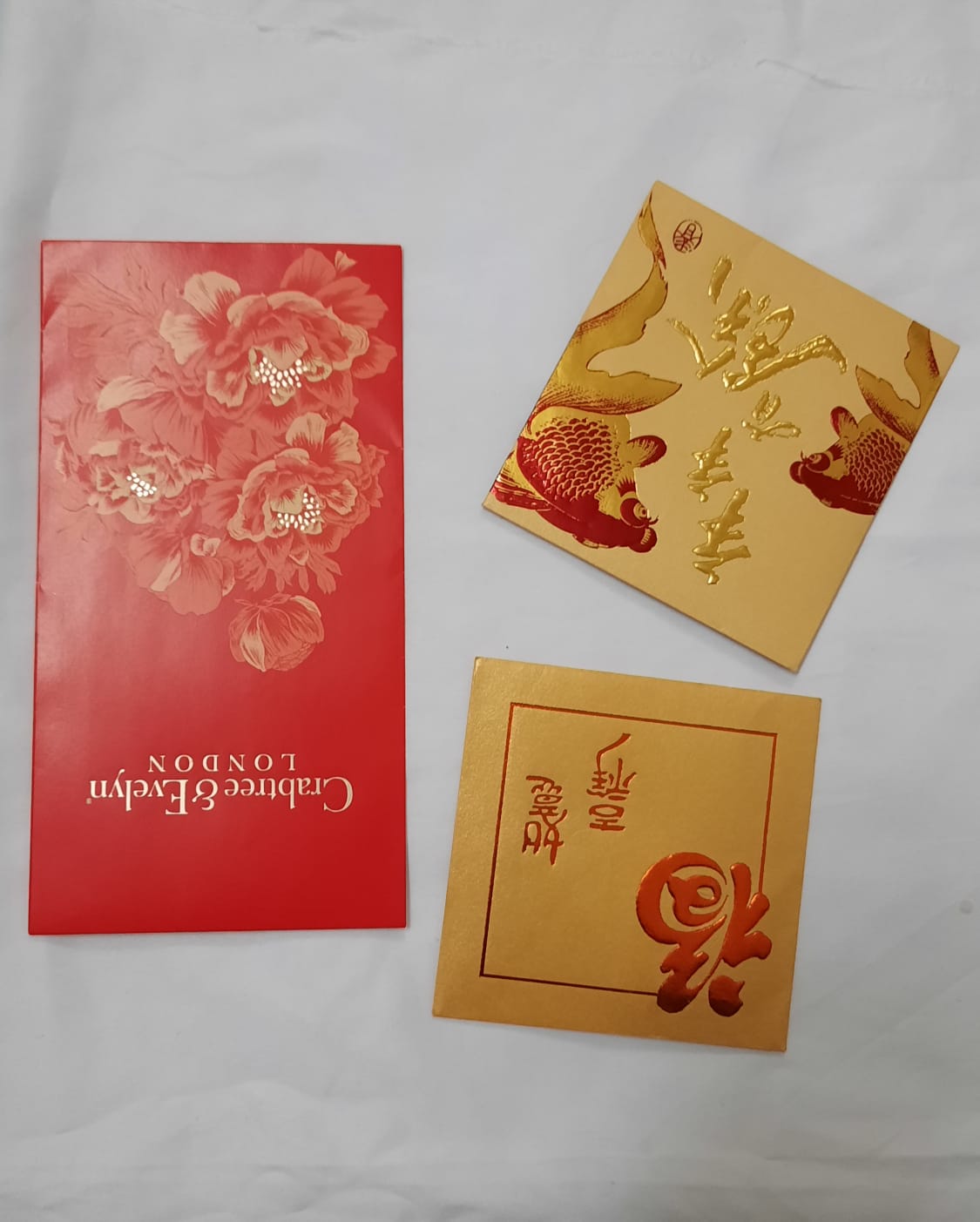
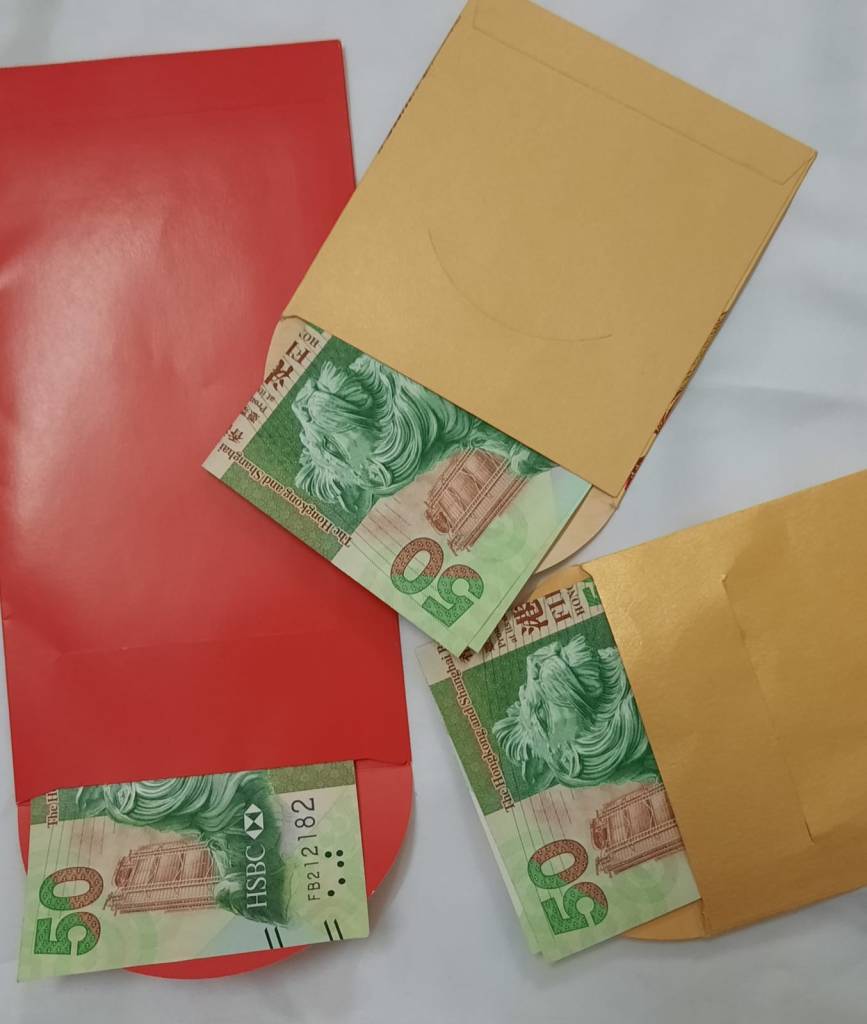
Chinese people love red, and regard red as the symbol of energy, happiness, and good luck. Red envelopes are called hongbao in Mandarin and lai see in Cantonese. Red envelopes always have money, and are given, to kids from their parents, grandparents, and others as Chinese New Year gifts. Sending red envelopes is a way to send good wishes and luck (as well as money). In China, the red envelope is also called yasui qian (压岁钱 /yaa-sway chyen/), which means ‘suppressing ghosts money’. Those who receive a red envelope are wished another safe and peaceful year. Chinese New Year is a red envelope season. But red envelopes are not limited to Chinese New Year. It is common to give a red envelope during some special occasions, such as a wedding, graduation, the birth of a baby, or a senior person’s birthday. It is a traditional way to wish good luck and share blessings.
Who Gets a Red Envelope/Who give – and How Much Money Goes Inside
In Chinese tradition, if you have started earning money, you should start giving Chinese New Year red envelopes. Giving a red packet is a way to share your blessings. The amount of money wrapped in the red packets depends on your income. However, in Chinese tradition, if you are not married, you need not send red envelopes to others. On Chinese New Year’s Eve or New Year’s Day, usually parents prepare a red envelope and put it in their children’s pocket. Red envelopes were normally given and received only among families, while in some rural areas, the custom is that you must give a red envelope to each child you meet during the New Year period. Your close relatives (like your parents and your grandparents) will keep giving you red envelopes even when you are married, which is a symbol of their love and blessings for you.
How much to put in Chinese Red Envelopes
To your elders (especially your parents and grandparents): always 500–2,000 yuan
To the younger generation without an income (especially those who are still at school), such as the children of your close friends, your relatives and your colleagues: always 50–200 yuan
To your own children: always 100 yuan up to the amount you are happy to give
To your employees: always 100–1,000 yuan (always given on the last working day before the Chinese New Year holiday)
To other children: Prepare some small red envelopes with 10 yuan or 20 yuan for acquaintances’ children, in case you meet them during the Chinese New Year period.
Rules forgiving a Red Envelope.
1. It’s a tradition to put crisp, new bills inside a Chinese New Year red envelope. Giving dirty or wrinkled bills is in bad taste.
2. You’re supposed to avoid putting coins in the envelopes.
3. Avoid giving amounts such as 40 yuan or 400 yuan. The number ‘4’ in Chinese sounds like ‘death’, so this is considered bad luck. Even numbers, except four, are better than odd. It is best if the amount starts or ends in eight, such as 800 yuan, as it is considered to enhance luck.
4. Prepare red envelopes in advance and always carry some envelopes with you during all 16 days of Chinese New Year (from New Year’s Eve to the Lantern Festival) in case you bump into someone that you may need to give an envelope to.
5. You’d better put different denominations in differently designed red envelopes so that you can quickly and tactfully discern whether you are giving away 100 yuan or 1,000 yuan.
Rules for receiving a Red Envelope.
Always receive your red envelope with both hands. It is impolite to accept a red envelope with just one hand.
It is impolite to open a red envelope in front of the person who gives it to you.
3. When you receive a red envelope, you should express thanks and greet the giver with a pleasing, auspicious phrase. Click to learn some Chinese New Year popular greetings.
4. Never open your red envelope in front of the person who just gave it to you. You should do it in private or when you get home.
Tech-based Red Envelopes on Chinese New Year eve.
WeChat red envelope (or WeChat red packet) is an online money transfer with a colorful message via WeChat (a messaging app). In recent years, it has become popular among young people to send “red envelopes” via WeChat as a greeting. It has become a new way to greet friends or relatives during the Chinese New Year period. On New Year’s Eve, the CCTV Spring Festival Gala attracts people with its wonderful performances and cyber red envelopes. While watching the performances, people have the chance to win cyber red envelopes by shaking their phones ceaselessly.
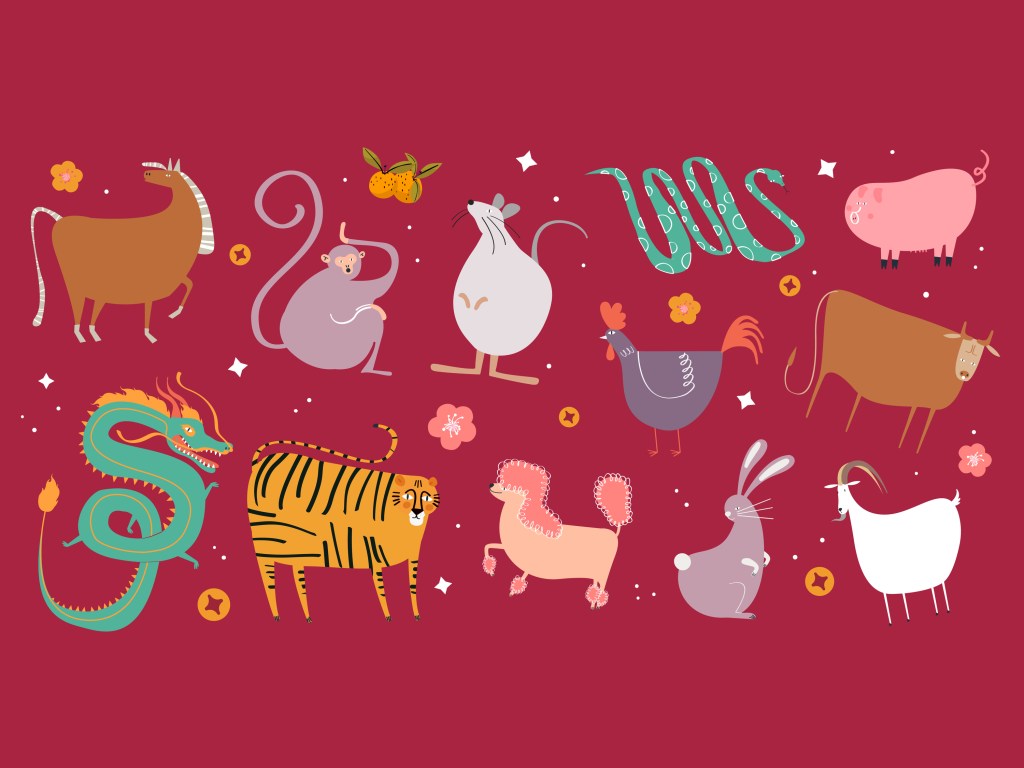
Chinese astrology has a history of thousands of years. That was the time when astrology was only used in the prediction fortune for the community, the state, or the agricultural year. During Han Dynasty (ca. 150 CE) personal horoscopes became popular with the arrival of Buddhism in China. The current Chinese Zodiac Calendar is associated with Twelve animals represent the Chinese zodiac signs (or sheng xiao, translating to “born + resemblance”); in order, they’re the Rat, Ox, Tiger, Rabbit, Dragon, Snake, Horse, Goat (or Sheep), Monkey, Rooster, Dog, and Pig. The 2021 Lunar New Year on February 12 ushers in the Year of the Ox, after a particularly challenging Year of the Rat in 2020. You can find what your zodiac sign is according to the year of your birth date. Each of these animal is associated with particular personality traits.
To keep this blog simple and interesting I will not go into more astrological details or History. Let’s check out and have fun by looking up to your zodiac sign and what is the meaning of it.
Rat
Birth years: 1936, 1948, 1960, 1972, 1984, 1996, 2008, 2020 Personality traits:Ambitious, charming, talkative, resourceful, private, frugal, critical According to Chinese, the rat people are very popular, they like to invent things and are good artists.
Ox
Birth years: 1937, 1949, 1961, 1973, 1985, 1997, 2009, 2021 Personality traits: Diligent, gentle, hardworking, reliable, patient, materialistic, stubborn According to Chinese, people born in this year are dependable and calm. They are good listeners and have very good ideas.
Tiger
Birth years: 1938, 1950, 1962, 1974, 1986, 1998, 2010 Personality traits: Confident, brave, magnetic, idealistic, thrill-seeking, arrogant, selfish Tiger people are brave and other people respect them because of their deep thoughts and courageous actions.
Rabbit
Birth years: 1939, 1951, 1963, 1975, 1987, 1999, 2011, 2023 Personality traits: Kind, sensitive, artistic, romantic, judgmental, timid, refined People born in this year are nice to be around. They like to talk and trustworthy.
Dragon
Birth years: 1940, 1952, 1964, 1976, 1988, 2000, 2012, 2024 Personality traits: Outspoken, energetic, generous, intelligent, perfectionist, egocentric, impatient. Dragon people have good health and strong. They are good friends and listeners.
Snake
Birth years: 1941, 1953, 1965, 1977, 1989, 2001, 2013, 2025 Personality traits: Clever, curious, alluring, wise, anxious, calculating, People born in this year love good books, food, music and plays. They have good lucks with money.
Horse
Birth years: 1942, 1954, 1966, 1978, 1990, 2002, 2014, 2026 Personality traits: Amusing, enthusiastic, independent, persuasive, irresponsible, moody, opportunistic. Horse people are popular, cheerful and are quick to compliment others. Obviously they are very hardworking.
Goat/Sheep
Birth years: 1943, 1955, 1967, 1979, 1991, 2003, 2015, 2027 Personality traits: Easygoing, empathetic, creative, cheerful, disorganized, impulsive lazy Good artists, they ask many questions and are very wise. They like nice things.
Monkey
Birth years: 1944, 1956, 1968, 1980, 1992, 2004, 2016, 2028 Personality traits: Entertaining, intelligent, optimistic, sociable, fickle, secretive, unpredictable. Funny and make other laugh also very good problem solvers.
Rooster
Birth years: 1945, 1957, 1969, 1981, 1993, 2005, 2017, 2029 Personality traits: Adventurous, charitable, funny, loyal, argumentative, boastful, self-involved. Rooster people are hardworking with many talents and deep thoughts.
Dog
Birth years: 1946, 1958, 1970, 1982, 1994, 2006, 2018, 2030 Personality traits: Helpful, honest, trustworthy, unselfish, pessimistic, anxious, timid. Dog people are loyal and best secret keepers. Sometimes they worry too much.
Pig
Birth years: 1947, 1959, 1971, 1983, 1995, 2007, 2019, 2031 Personality traits: Caring, generous, smart, outgoing, fearful, impatient, materialistic. People born in this year are very good students. They are honest and brave. They always finish assignments and projects.
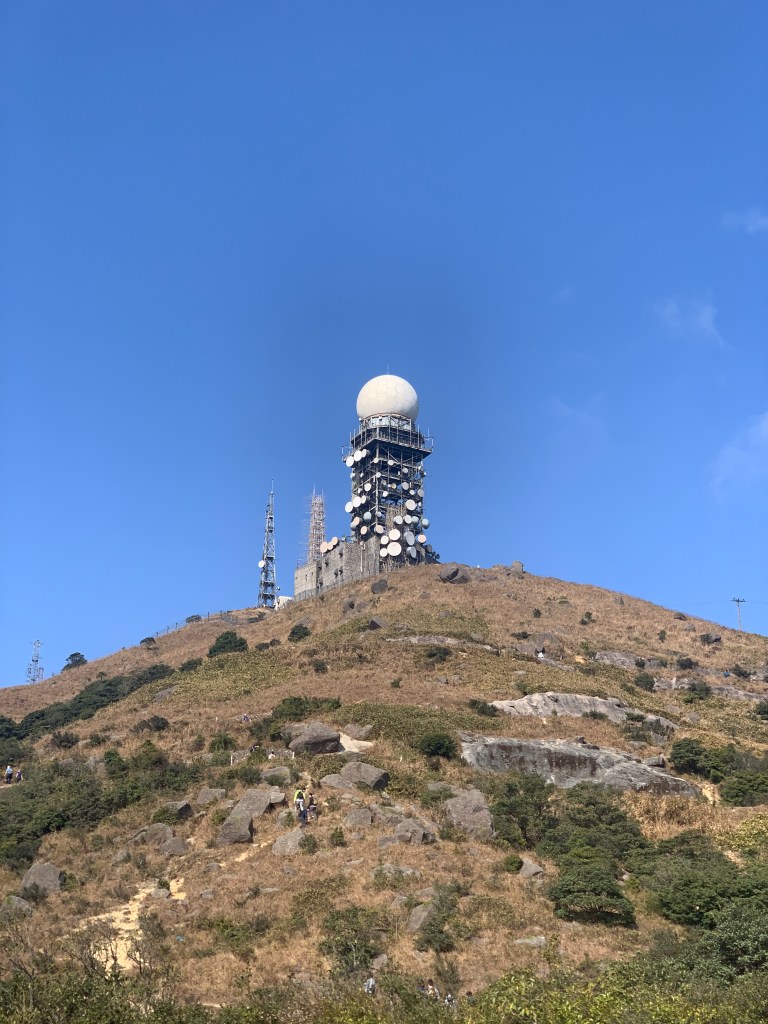
Tai Mo Shan, with about 957 meters or 3,140 feet is the highest peak in Hong Kong. The peak has spectacular views which overlooks the city of Hong Kong and the Shenzhen border. It is also a popular hiking destination to view the sunsets and sunrise or even frosts during the winter.
Hiking details
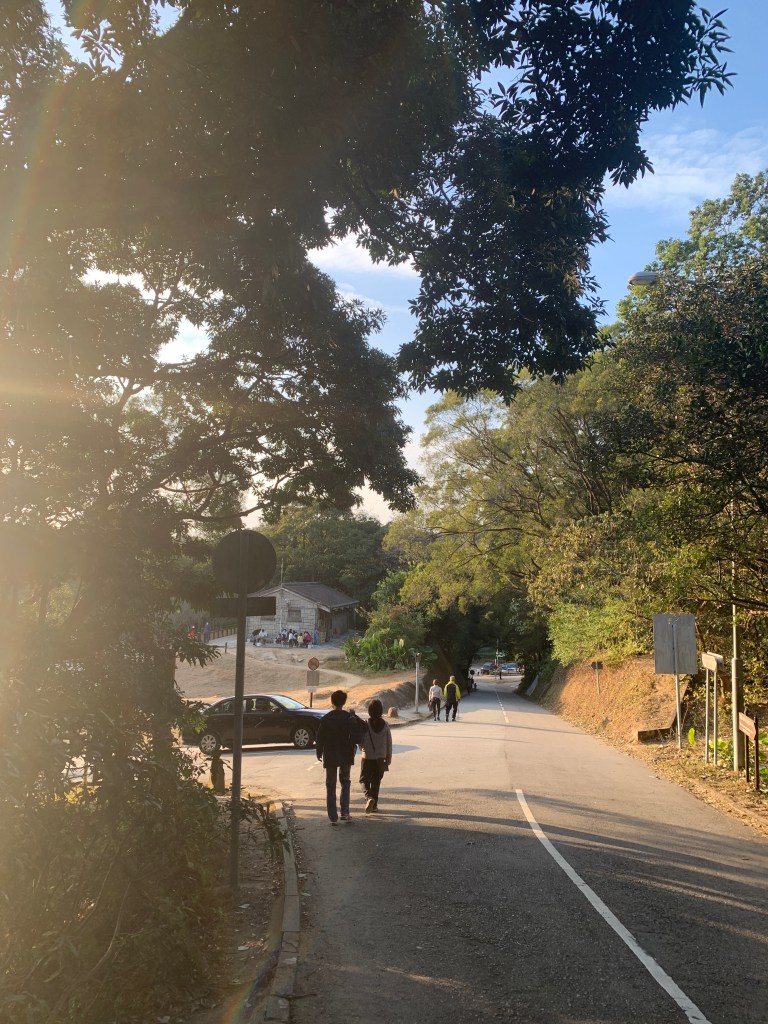
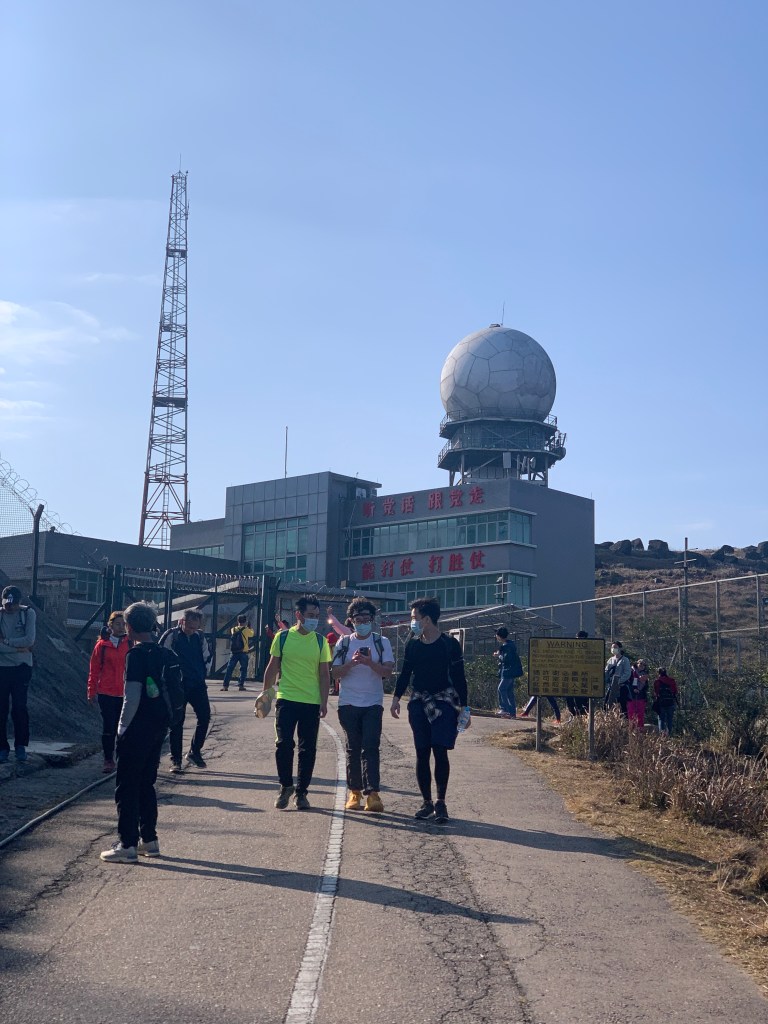
Tai Mo Shan Road overlooking the weather radar station
The roundtrip hike would take approximately 2-3 hours (depending on how long you take stopping by to take a picture)
The hiking trail is generally moderate as there is road pavements all the way and not that steep.
The hiking distance from the Tai Mo Shan road is about 4km
The hike is family-friendly as it is mostly road that takes you all the way to the top so you could bring a stroller if you have a toddler joining you.
How to get there
Take the MTR to the Tsuen Wan Station
Go out in exit A and walk to the staircase on your left
Take Bus 51
Get off in the Tai Mo Shan Country Park stop (The stops are written on the bus screen)
Walk to the entrance and start the incredible journey
You could choose to take the McLehose trail which consists of some staircase walking up but you’ll end up in the same trail after a few minutes (This is just opposite to the bus stop)
The Tai Mo Shan road is mostly a road and is much easier to hike but be aware of the vehicles that is constantly passing by (For this entrance you’ll have to walk back a few more walks as the bus stop passed it)
You could also take a taxi and drive you all the way to the peak so it decreases your travel time but you would have to get off when you reach the barricaded area and would still need to walk if you want to reach the top of the peak. ( The walk would be about 30-40 minutes)
Reminder: The bus schedule is different on weekends and weekdays.
On Mondays – Fridays: 1 hour’
On Saturdays – Sunday and Public holidays: 20 minutes
You could return via the same route and take bus 51 back to Tsuen Wan station
Advice:
Remember to bring an extra clothing to keep you warm as it could be quite windy
Bring sufficient water
Remember to check the weather before the hike (choose a day that have less mist as it could decrease the visibility of the view)
Check the travel schedule for the bus
If you have the time, you could stay til sunset and watch the incredible changing of the colours of the sky.
























 AUXETICO ADVANCED TECHNOLOGIES