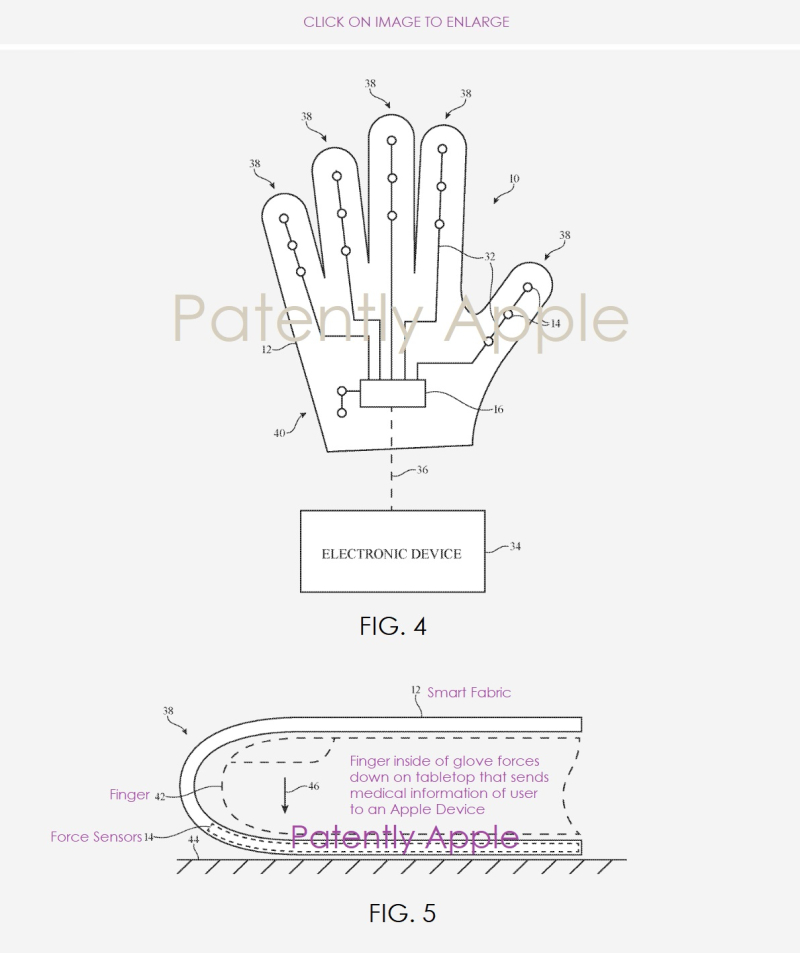
Apple Inc., Cupertino, CA/USA, secured another Smart gloves patent by the US Patent and Trademark Office with a title of “Knit data Input Glove”. This glove could be used as an accessory for future Apple products.
Most probably this glove is made of knitted fabric, having fingers of the glove with fabric pockets. Sensors such as inertial measurement units may be placed in the pockets to measure movements of a user’s fingers in the glove. The sensors should be able to be coupled to control circuitry in the glove with signal paths in the fabric.
Smart glove by Apple inc.
The conductive yarns are used in the course directoon of the fabric that forms the signal paths runing along each finger. Haptic components and other electrical components are also coupled to the control circuitry using the conductive yarn. The idea is to create a control circuitry within the fabric structure on each side of finger that can use wireless or wired communications circuitry to convey information such as information on user finger movements to external equipment.
The glove works in conjunction with an Apple device like Apple Watch or iPhone. Specialty sensors within the glove could include a blood pressure sensor, a respiration sensor, a heart rate sensor and more. The data is sent from the glove and an iDevice to present results.
Apple may also include other sensors such as health, optical, and/or environmental sensors, actuators for providing haptic feedback and haptic feedback devices.
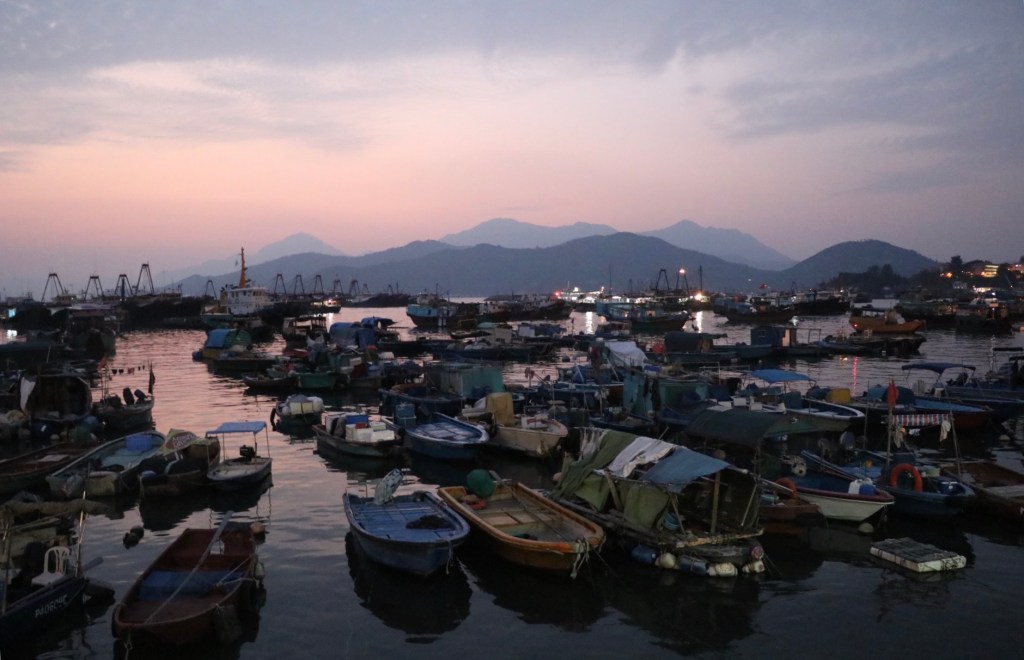
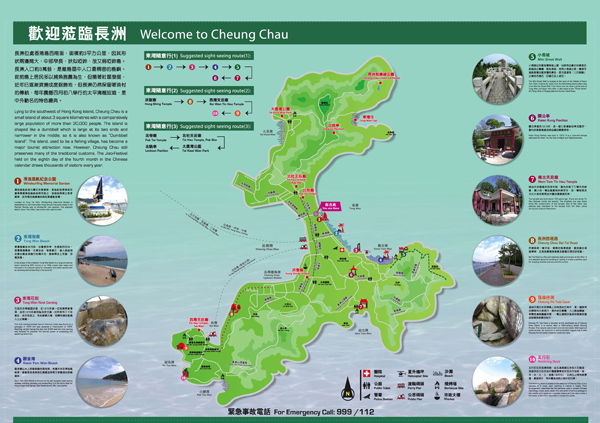
Cheung Chau, directly translated to ‘long island’ is an outlying island in Hong Kong with over 20,000 inhabitants. The Islands’ history could be dated back to the 17th century as a thriving fishing village.
So what to do in Cheung Chau? What the island is most famous for? 3 reasons why you should visit Cheung Chau!
The food are amazing!
street foods!
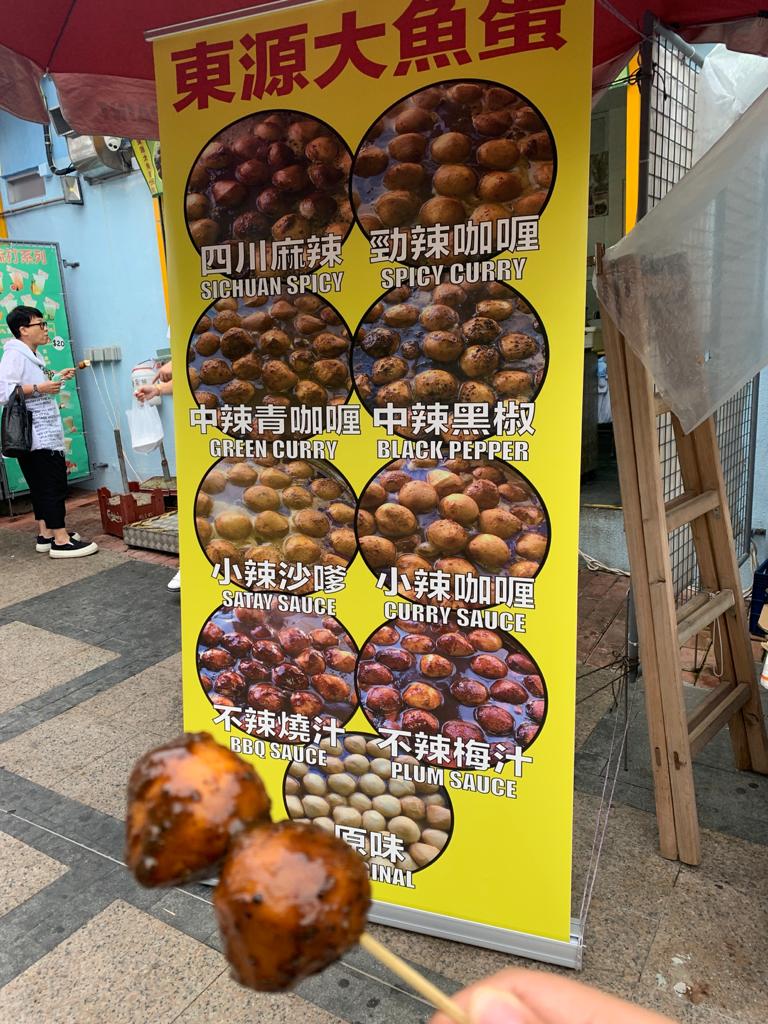
Have you ever heard of Cheung Chau giant fish ball? It comes in different flavours and in different level of spiciness. After you take a bite, you’ll always come back wanting for more. If you’re a fan of spicy food, you could challenge yourself and try the Sichuan Spicy or Spicy curry but if you’re not you could try BBQ and Plum sauce.
Seafood Restaurants
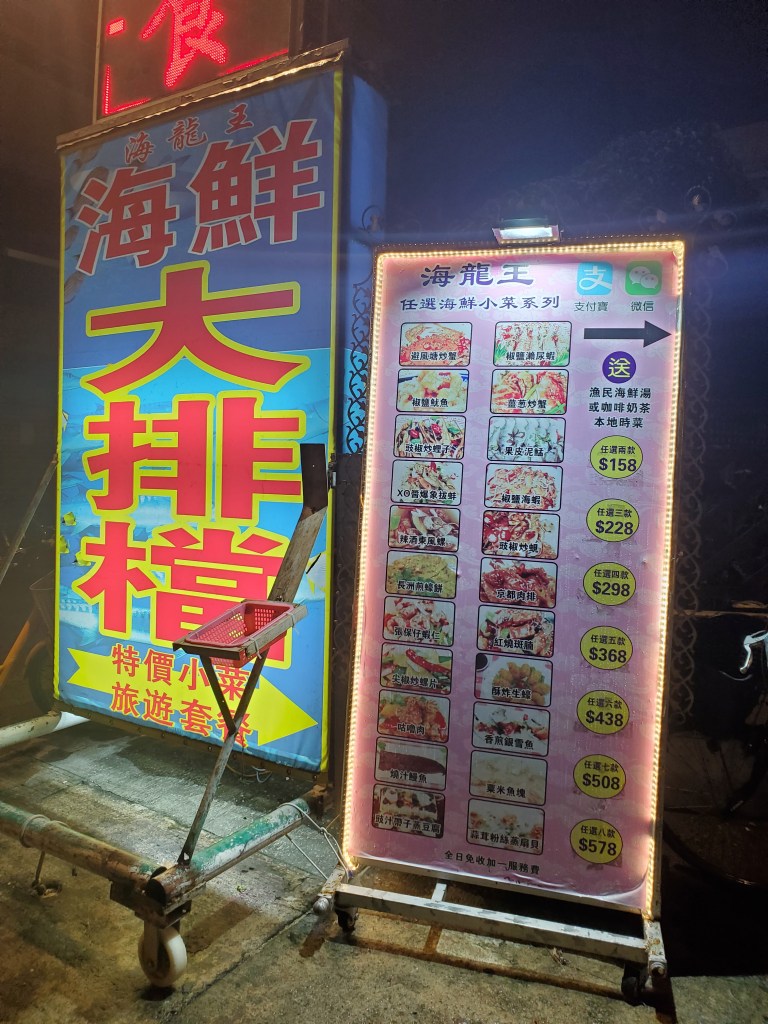
One of the things that Cheung Chau is most famous for, SEAFOOD. If you come to Cheung Chau you must try seafood dishes like steamed fish, deep fried crabs and pepper fried squid.
snacks and desserts
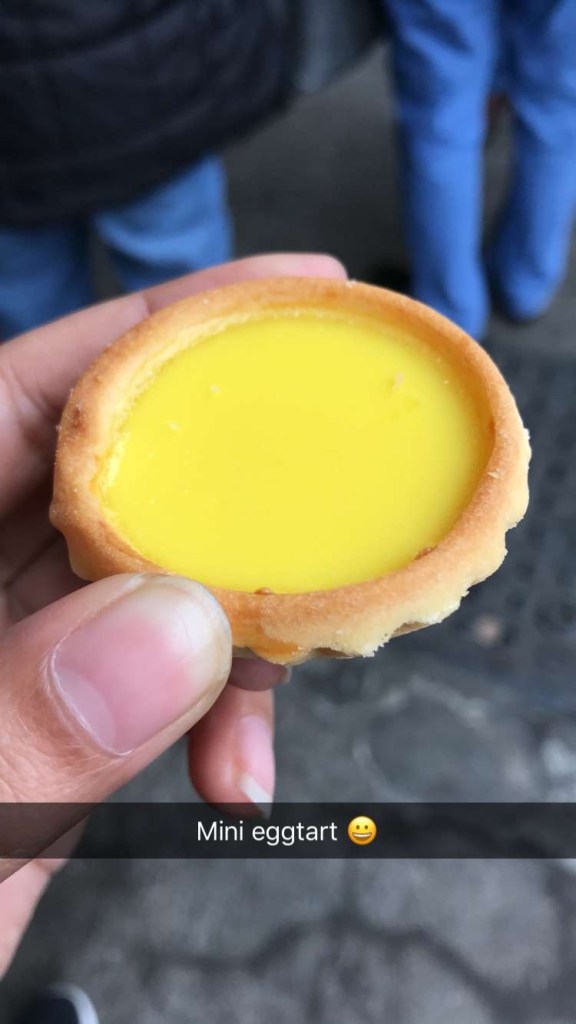
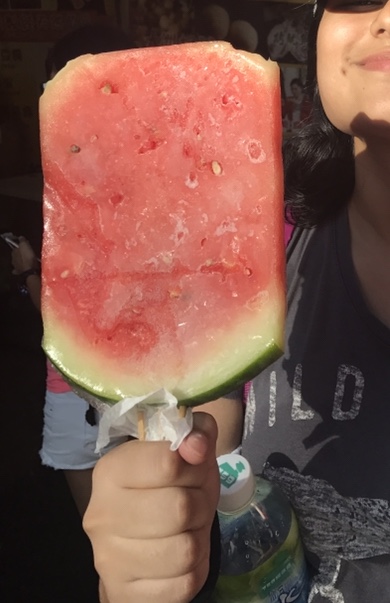
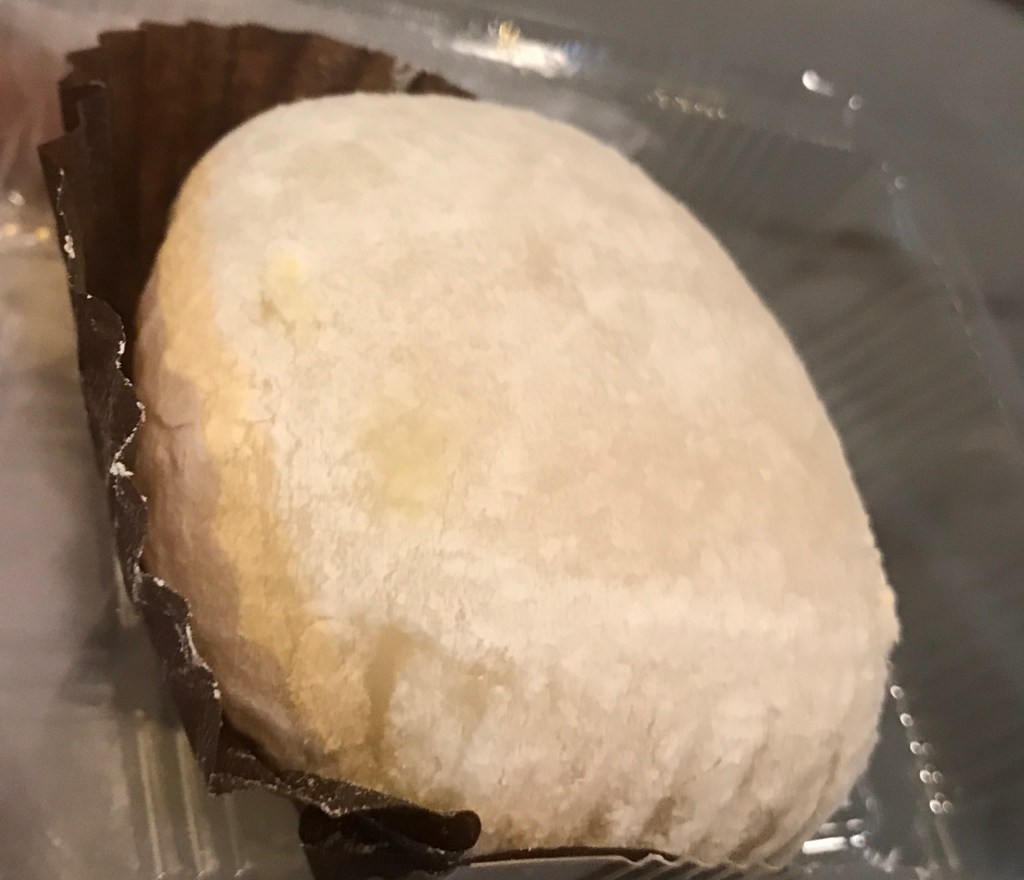
One of the most iconic part of the island is its non ending vendors of street food, there is the famous Cheung Chau Mango Mochi, mini Eggtarts, frozen fruit slices, shaved iced in different flavours and red bean pastries.
a frozen watermelon
Mango mochi
2. There’s plenty of family fun activities!
Beach
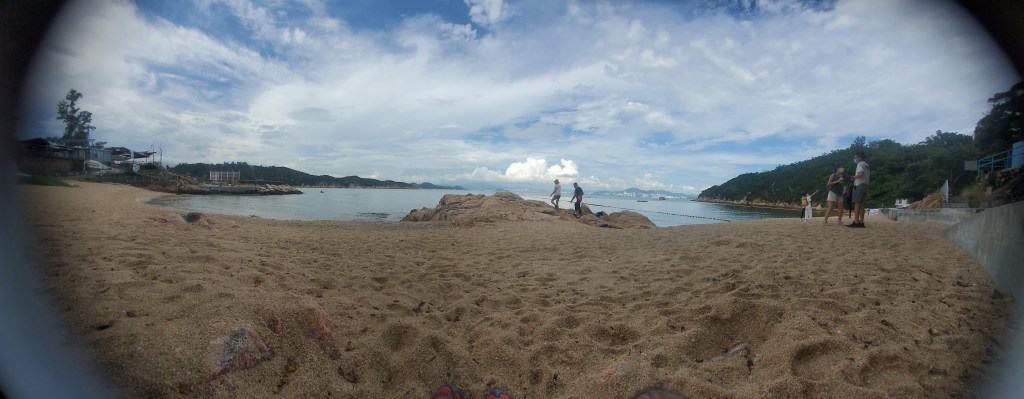
Hit the beach and let out some steam! What’s more relaxing than to sit on the beach and listen to children laughing and playing. There is 2 most popular beach in Cheung Chau, one is Tung Wan Beach and the other is Kwun Yam Beach. However, there are other much more quiet and less populated mini beaches waiting for you to discover.
Kwun Yam Beach
Cycling
You could also rent a bike and discover the neighbourhood! A bicycle that could be rented for as low as HKD30. There are also a tricycle that could fit about 3 people which could be rented for HKD60. Prices may vary in different rental shops along with for single and family bikes and its condition. ( Note: most bike rental shops closes at 6 or 7 pm)
hiking
Of course, there are also basic hiking trails which is easily accessible for the family. Visit the mini great wall! The trail is relatively easy and is mostly paved.
Pak Tai Temple in the Mini Great Wall route
camping/ stargazing
If you’re in for a little more fun for the kids you could try booking an overnight staycation at Saiyuen Camping Adventure Park which is an outdoor adventure playground and has themes camps like Native American Teepee and Stargazing Geodesic Dome. Kids could also enjoy unique adventures such as Archery Combat, Bubble soccer, Junior Abseiling and Tree Top Canopy Walk etc. (Note: It could be quite costly though)
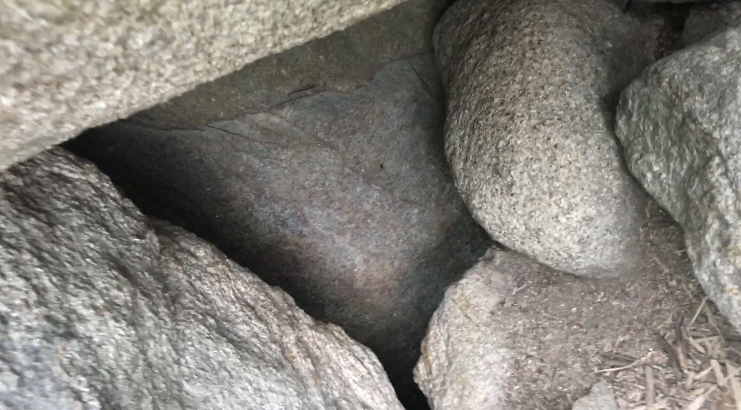
Visit the Cheung Po Tsai Cave
It has been said that a pirate named Cheung Po Tsai in the 1800s kept his treasures in this natural cave so it would be an interesting spot to explore. However, make sure to have a torch with you since it could be pretty dark inside and remember to be careful with your steps since the way out could be pretty narrow and slippery!
3. The View is Spectacular day and night
discover the neighbourhood after sunsets
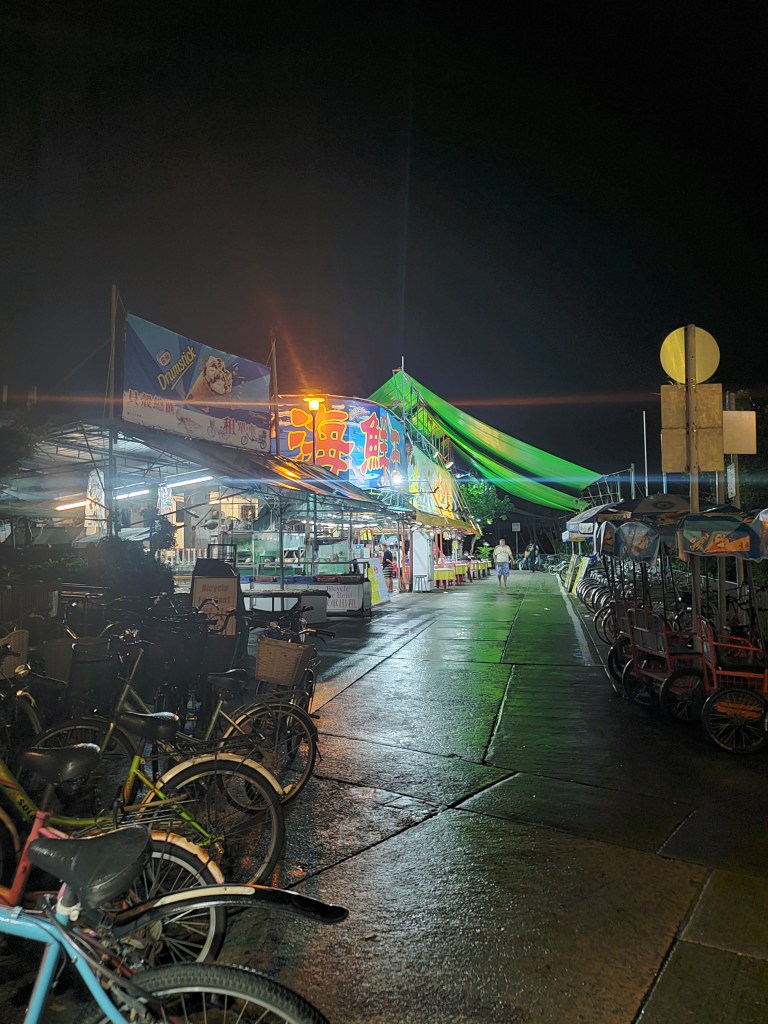
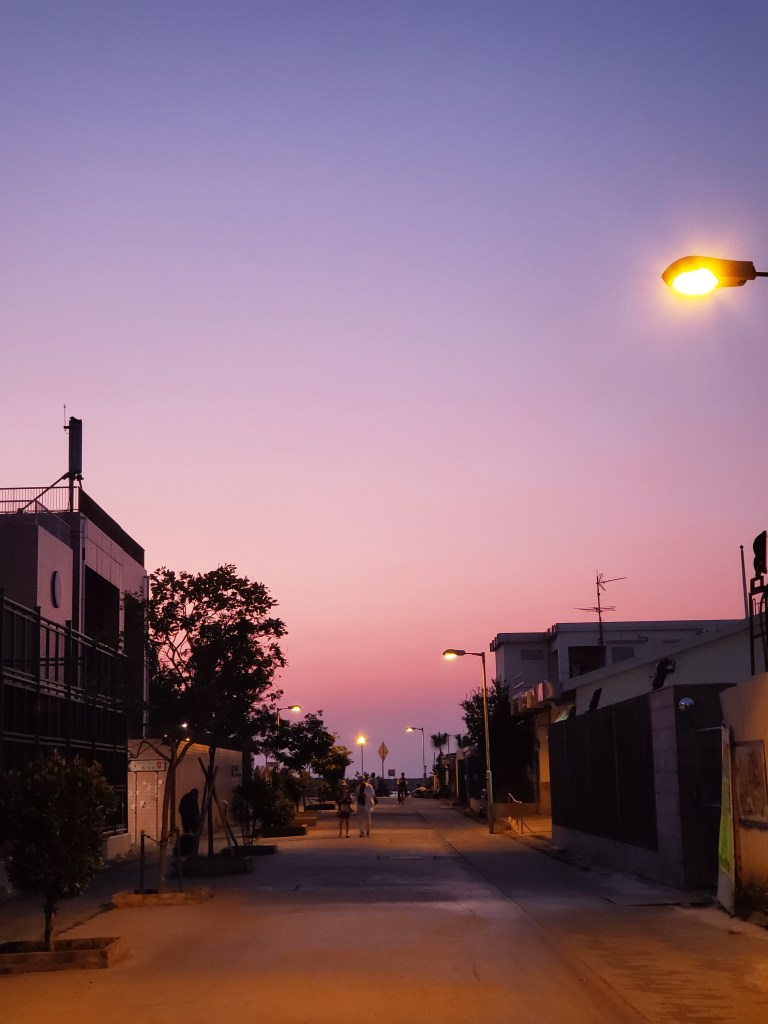
By sunset, most tourist leave the island while the locals arrive from work. You could stay behind and feel the unique atmosphere of Cheung Chau. Stroll around the main area and you’ll find that the bustling afternoon is completely different from the laid back evening. Day time vendors are also different with night time vendors.
take a stroll in Tai Hing Tai road
Discover the neighbourhoods in Cheung Chau Sai Tai road
How to get to Cheung Chau?
You can ride the MTR and get off at the Hong Kong Station then walk through the IFC mall to the blue bridge that brings you to the pier. After that catch a ferry in the Central Ferry Pier 5!
You can check the ferry schedule and fares at this link.
All religions of the world have the concept of heaven and hell. Man’s destiny after death is one of them. Although some people will not believe this and there is a difference of opinion, but I will continue my point with the theory of heaven and hell.Heaven is the name of happiness and happiness is thousandfold. Perception of happiness is as different as 7 billion people of the world are. Some are happy in noises and voices and some in solitude. So, being an individual, my happiness also lies in my own will and I want to go to the paradise of my happiness. The express purpose here is to talk to you about this paradise, my paradise.
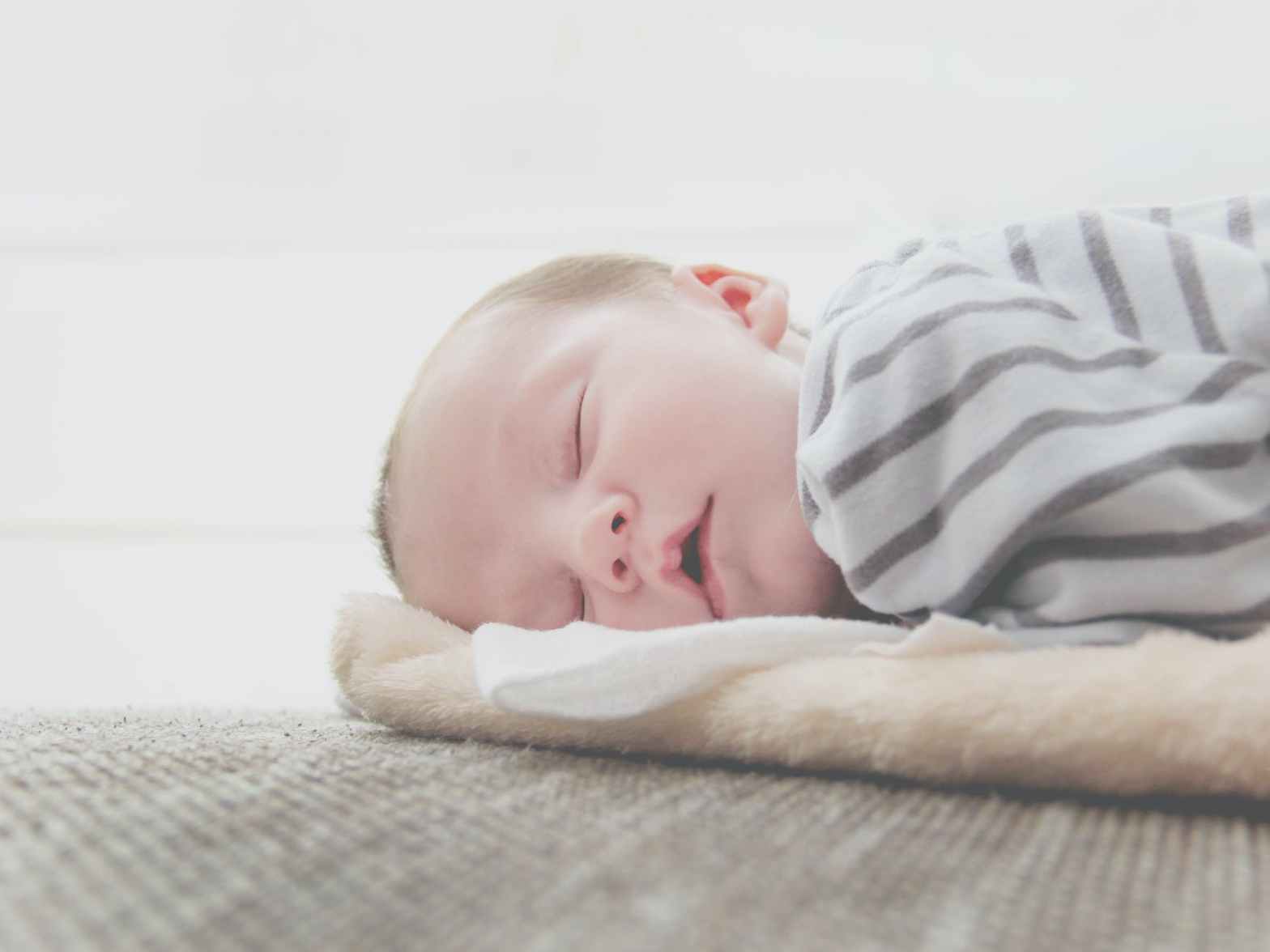
Giving the perfect gift for a new baby can be a daunting process – adorable, yet daunting. Finding that special something to take the new arrival from birth and beyond is no easy task. While buying garment for a new born, many parents do not consider practicality, which is why they so easily get sucked into buying what’s cute instead of what will actually fit ergonomically or protect a baby from the elements. Here are the Top 3 features a garment for a new born must have
1. Comfort (Feel of the garment)
2. Skin friendly (Stitching details, embroidered cartoon or stiff printing)
3. Design Flexibility (Easy to put on and put off)
Let’s discuss the details of each attribute briefly.
All religions of the world have the concept of heaven and hell. Man’s destiny after death is one of them. Although some people will not believe this and there is a difference of opinion, but I will continue my point with the theory of heaven and hell.Heaven is the name of happiness and happiness is thousandfold. Perception of happiness is as different as 7 billion people of the world are. Some are happy in noises and voices and some in solitude. So, being an individual, my happiness also lies in my own will and I want to go to the paradise of my happiness. The express purpose here is to talk to you about this paradise, my paradise.
I wish that after my death I may have a visit of the “Space and Time”.This visit, if I have, would be such a blessing, such a reward, such an honor that I am ready to give up what else has been promised in paradise. Isn’t it a big sacrifice?
I want to see this universe, completely, in the past, present, and future.I want to see this solar system, four and a half billion years ago, when there was nothing but dust and gas clouds, destined to create our solar system. And then there appeared the sun that flourished the life. The sun that grazed the wheat which turned the man’s roaming life into the life of town and cities.I want to see the sun of that time when there was no planet to see it. When there was no sunrise, no sunset.
I want to see the birth of Jupiter and then the migration of this “godfather” of our solar system to the place where we see it today. I want to see how a wandering planet named “Thia” collided with our new born earth and tilted it at such an angle that the earth became a planet with four seasons.I want to see how the moon began to revolve around the earth.I want to see how rivers used to flow on Venus and who knows if there was life there at that time, and then how Venus turned into an kiln.
I want to see how the earth became capable of reaching the point where it generated the first cell of life. With the passage of time, how a creature came out of the water and then came the streاm of life making Earth a unique planet as far as we know. We know little, though.
I want to see how a moon of Saturn started to fall toward Saturn and then broke into billions pieces. These billion pieces crowned the Saturn making it the most beautiful planet of our solar system. There is so much to see in this solar system. The moon that throws fountains of water, the storm that revolves on Jupiter, the Pluto that has been discarded by the scientists.
But my desire for heaven does not end here, I have to swing on a neutron star that revolves seven hundred times in a second and when I get dizzy, I have to rest on a planet nearby, I have to pass a smile to a dwarf star, I have to watch the making, merging and breaking galaxies, I have to watch the black hole, I don’t intend to go inside it. I am afraid of changing the rules in black hole and losing my paradise. I have to look at the seven maidens chased by a bear, I have to meet the girl who is probably tired of sitting in a chair, I have to stand on the edge of of Milky Way to say hello to Andromeda. I have to ask the North Star to guide me to unknown ways. I have to fly to those ways to see many more things as there is no limit of my paradise.
If I am guaranteed this paradise right now, I am ready to embark on this journey, exactly, right now. Like Emily Dickinson accompanied Mr. Death, unplanned and unprepared.
“He slowly drove, we knew no haste، And I had put away My labour and my leisure too, For his civility.”
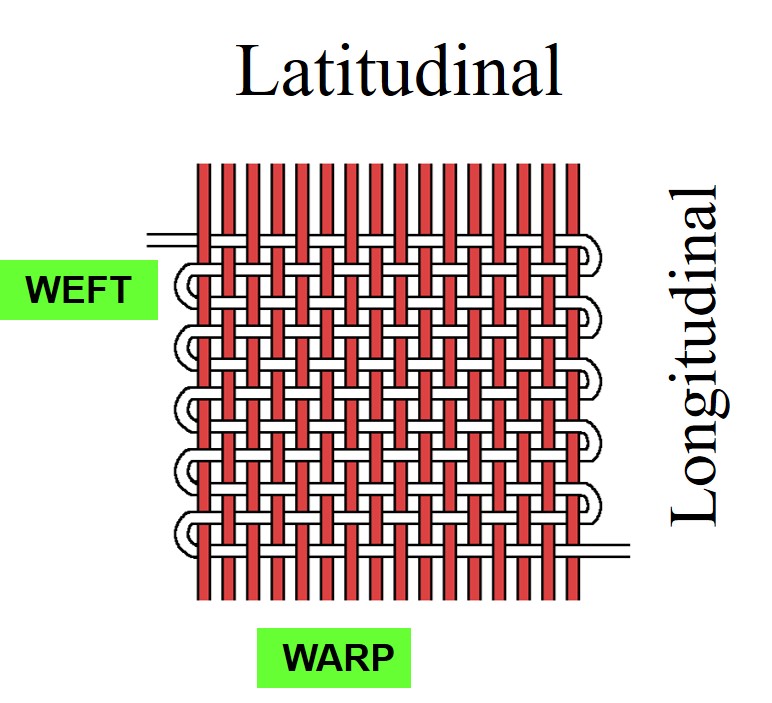
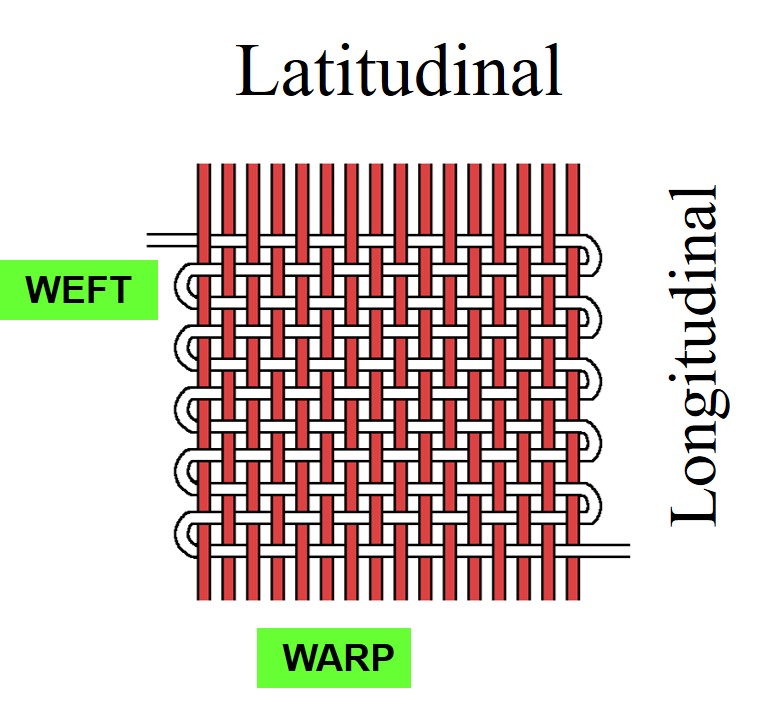
To understand the term Thread count first you should understand the term thread density. The thread density means number of yarns per unit length of the fabric in two principal directions. The two principal direction means length/longitudinal and width/latitudinal of the fabric. In weaving terms length direction is called the warp direction because the yarns running in this direction are called warp yarns and the width direction is called the weft direction because the yarns running in this direction are called weft yarns. The figure below shows the warp and weft directions.
What is thread count?
So the thread density means number of warp yarns and number of weft yarns per unit length. Usually one inch is taken as unit of length. Warp yarns are sometimes also called as ends and weft yarns are called as picks or fillings. Therefore, warp yarns/inch or ends/inch is warp density of the fabric…
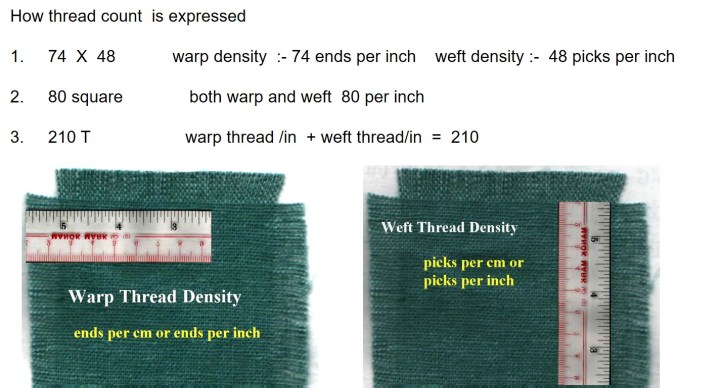
Thread count of the fabric or “T” or TPI of the fabric is actually the sum of warp density/inch and weft density/inch. Therefore, the thread count or T or TPI of the fabric can be calculated and expressed as shown in figure below.
So the thread count refers to the total number of threads in every square inch of a woven fabric especially for bed sheeting fabrics and work wear. It is a measure for fabric quality and durability and indicates how tightly the fabric has been woven. To go technical, the total number of warp threads (length) and weft threads (width) per square inch of fabric. ie thread density in a certain area of your fabric. The thread count is the number of threads counted thus added together. The alternative term used for thread count indicates its meaning well – threads per inch (TPI). So a 400-count fabric will have 200 warp threads and 200 weft threads in a square inch.
In countries like Australia, France and Italy the thread count is calculated every 10 square cm which measures 3.16cm x 3.16cm. The count in threads per 10 cm square will tend to be higher than threads per square inch. You have to be aware of this difference if you shop internationally. In addition, you must know that thread count is not used for knitted fabrics or fabrics like flannel, satin, or microfiber.
Is thread count the best way to gauge the quality of the fabric?
This is a very ambiguous question. Normally a high thread count is a good indicator as to the fabric being of good quality. But this also depends a lot on the quality of the yarns and the way it is woven and even where it is made. Some low thread count fabric may be of finer quality than a densely woven fabric woven with low-quality yarn. The problem with depending solely on thread count is that you may end up duped – especially when shopping online. This is because fabric with the same quality may be labeled as having different thread counts. There is a lack of standards in this area- textile manufacturers have their own labeling and they are not at all standardized. This results in different brands of fabrics with the same thread count to feel different and look different One fabric may be marked 1000 thread count but you may find that it looks and feels lower quality than a finer fabric you have which is marked 250 thread count. So when buying fabric rather than only look at the thread count, check on these factors as well –
Whether the yarn is of fine quality ?
Long staple yarns which have been combed to remove short fibers produce very smooth fine quality fabric. In true Egyptian cotton, they maintain a standard for fiber length throughout, which is why it has the reputation as the best and softest cotton. You can feel this in the fabric’s hand. If cheap yarns are used or thick and coarse yarns or inferior short plied yarns are used a high thread count would not matter much for the fabric and the fabric would not feel smooth and fine.
What is Ply of the fabric ?
Ply refers to how many yarns are twisted to form a single thread. Two-ply fabrics are made with two yarns twisted to form a single thread and this is superior to a single-ply fabric. Two-ply fabrics are more durable. A two-ply fabric is usually bought for shirting. When counting the thread count manufacturers should be counting only actual threads rather than each ply forming the threads. Usually, a thread count above 100 will imply a 2-ply fabric. A two-ply fabric with medium thread count is preferred for dressmaking otherwise the fabric will turn out to be too thick/dense.
How ThE FABRIC IS MADE?
This refers to the quality of the weaving processes involved and finishing processes used. The best weaving processes result in the best fabric – this is a simple truth. If the fabric is made with multiple, inferior yarns plied together and woven, this may result in an exaggerated thread count. For marking higher thread count, the manufacturers may use multiple-ply yarn where individual threads are twisted around each other but this does not make a good quality fabric. In dressmaking, the weaving process may excuse a low thread count – like in the case of an oxford weave fabric used to make shirts – the open weave with tiny holes in this fabric make it all the more attractive and some ask for this. But some may prefer a pinpoint oxford fabric because it has a higher thread count and lighter finer weave than the Oxford fabric.
What is a good quality thread count ? Is there a minimum and maximum to thread count?
Different types of fabric have different thread count ranges.
Clothing: A thread count of 150 is what you can expect for an average quality cotton fabric. For clothing fabrics, this is a pretty high number. Even 120 is high for dressmaking and 150 is termed excellent. If the fabric feels smooth and fine and the high thread count goes with it you can feel confident about the fabric. A linen fabric may have lower thread count than cotton but linen is a far superior fabric. So Linen may be marked with a thread count as low as 50 but may still be the best fabric you want for summer clothing . 50-140 Thread count is good with Linen.
Sheeting: 180-300 thread count is considered for good quality bed sheets but 300 to 400 thread count range is what people expect when buying higher quality sheets. But if you notice thread count above 400 it may be bogus as the maximum number of threads you can get on a loom is around 400, so how can it get higher. The fine percale woven cotton has a thread count of 225 or more and is much in demand for bed sheets. 280 thread count Percale gives the best quality bed sheet.
Silk: For silk fabrics, thread count is not counted as very important. Silk threads can vary greatly in terms of diameter and length. High momme (momme = a Japanese unit of weight = 4.33 g / m2 ) weight is the usual measure used to gauge its quality. (Visit for more details https://fabrieka.com/2020/07/24/what-is-gsm-or-weight-or-areal-density-of-a-fabric/). A 19-25 momme weight is considered when buying silk bedsheets and a higher than 22 momme weight is used for clothes. But when everything is equal, thread count is used as a measure. Then higher thread count is considered to be better. When mommy weight and thread count is high you have a good quality silk. A thread count of 300-350 is considered good quality though you will find superior luxurious 750 thread count silk fabrics.
Sewing & Embroidery: There are many instances in sewing where thread count is ignored – when you need a more open weave fabrics and thread density does not matter at all. Cross stitch embroidery uses fabric with low thread count – the stitches need to pass through fabric weaves which are visible. 22- 25 thread count Aida fabrics are regularly used for cross stitch. A linen used for embroidery usually comes with a higher thread count of 32.
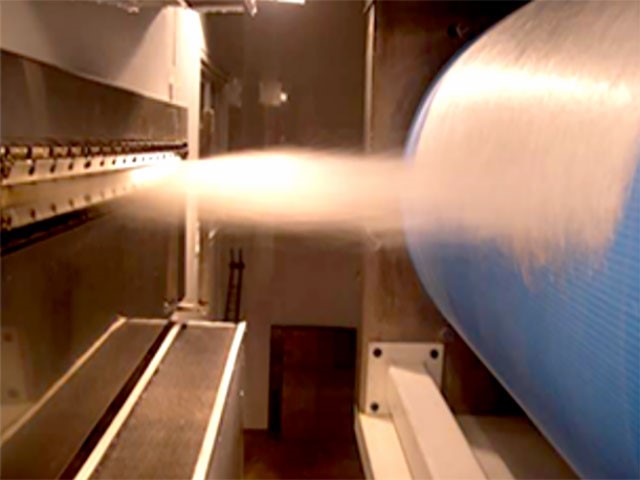
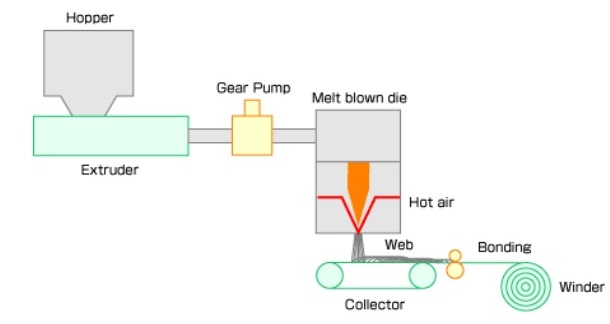
Melt-blown nonwovens are produced by extruding melted polymer micro- and nano fibers through a spinneret or die consisting of up to 40 holes per inch to form long thin fibers which are blown or stretched to a ultra-fine diameters typically ranging between 2-4 μm, and cooled by passing hot air over the fibers as they fall from the die as shown in Figure 3. The resultant web is collected on conveyor belt and bonded then into rolls and subsequently converted to finished products. The fibers in the web are usually self-entangled enough that additional bonding is not required. Melt-blown non-woven are used in hospital-medical uses and battery separators. The extremely fine fibers typically polypropylene differ from other extrusions particularly spun bond in that they have low intrinsic strength but much smaller size offering key properties. Often melt blown is added to spun bond to form SM or SMS webs, which are strong and offer the intrinsic benefits of fine fibers such as fine filtration, low pressure drop as used in face masks or filters and physical benefits such as acoustic insulation as used in dishwashers. One of the largest users of SM and SMS materials is the disposable diaper and feminine care industry. Melt-Blown nonwoven is applicable for filtration, absorbents, apparels and drug delivery systems. The substantial benefits of melt blowing are simplicity, high specific productivity and solvent-free operation. A typical melt blowing process consists of the following elements: extruder, metering pumps, die assembly, web formation, and winding.
A typical Melt Blown fabric making process
Polypropylene (PP) is the key raw material used for producing Melt-Blown Non-woven fabrics owing to low cost, flexibility, moderate strength & stability, lightweight, excellent moisture resistance, high temperature resistance, and insulation properties. PP nonwoven fabrics have wide applications especially in filtration, medical, hygiene and healthcare applications.
Melt-Blown process showing the blow of ultra-fine fibers and collector.
Polymers with thermoplastic behavior are applicable for melt blowing. The main polymer types commonly processed with melt blowing include following
Polypropylene
Polystyrene
Polyesters
Polyurethane
Poly amides (nylons)
Polyethylene
Poly carbonate
Atypical Melt-Blown non-woven fabric with embossed pattern used for filtration
Main Application Area of Melt Blown Non Woven Fabrics
The porous nonwoven melt-blown fabrics can be used in the filtration. This market segment continues to be the largest single application. The best known application is the surgical face mask filter media. The applications include both liquid filtration and gaseous filtration. Some of them are found in cartridge filters, clean room filters and others. Melt-Blown Nonwovens offer many advantages in all types of filtration. Whether a filter is designed to keep the air in your home clean, an operating room sterile, or to remove dirt and grit from the oil in your car before it reaches the engine, nonwoven fabrics get the job done. Anyone who suffers from allergies already knows that having a good heating and air conditioning filter in the home can help immeasurably in clearing the air. Air filters capture pollen, allergens, mold spores, and other microscopic particles to reduce symptoms and help everyone breathe easier. Medical filters made from nonwovens are key in any operating room to keep out pathogens, bacteria or microbes that might otherwise contaminate a sterile environment. Oil filters are an important component in your car. The nonwoven fabrics in the filters help remove contaminants from the engine oil, hydraulic oil, transmission oil and lubricating oil.
Examples of Melt-Blown Nonwoven Fabrics in Filtration
Typically the GSM stands for grams per square meter. Therefore GSM of a fabric means how much is the weight of a square meter of fabric in grams. In other words the weight in grams of a fabric with length X width = 1 meter X 1 meter. This is also called the areal density of the fabric or weight per unit area of the fabric.
Sometimes weight of the fabric can also be expressed in units other than grams and meter. There are a number of ways to express the fabric weight some of them are explained below.
grams per square metre ( g / m2 )
ounces per square yard ( oz. / yd 2 )
momme ( a Japanese unit of weight = 4.33 g / m2 )
grams per running metre (g / m )
ounces per running metre ( oz. / yd )
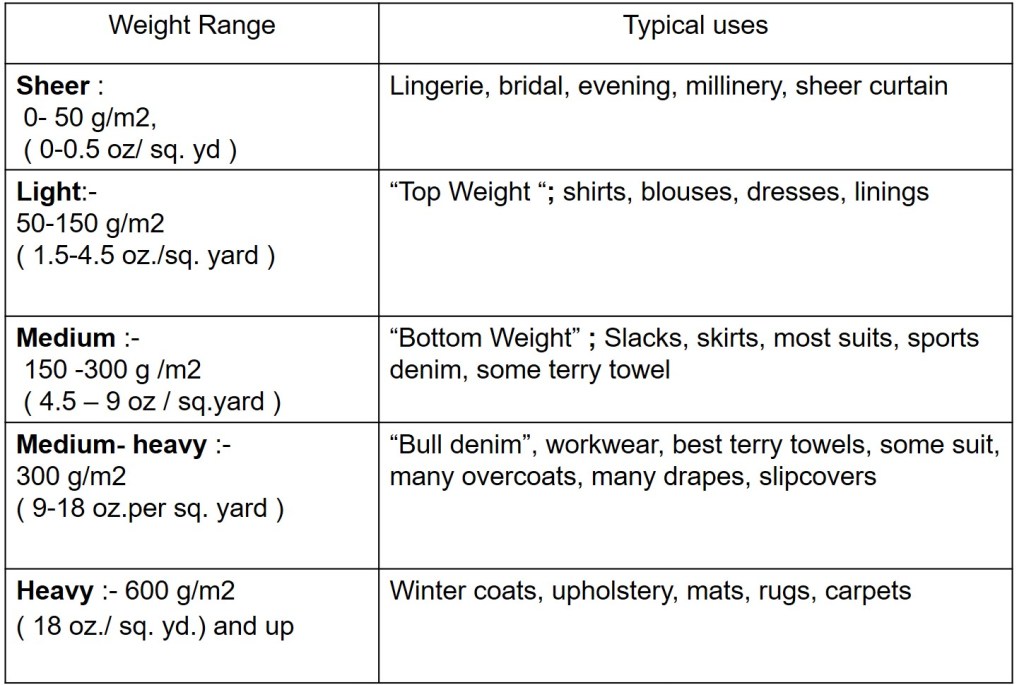
The table below shows some typical LIGHT-HEAVY weight fabrics based on their GSM and their typical uses.
To understand the term Thread count first you should understand the term thread density. The thread density means number of yarns per unit length of the fabric in two principal directions. The two principal direction means length/longitudinal and width/latitudinal of the fabric. In weaving terms length direction is called the warp direction because the yarns running in this direction are called warp yarns and the width direction is called the weft direction because the yarns running in this direction are called weft yarns. The figure below shows the warp and weft directions.
What is thread count?
So the thread density means number of warp yarns and number of weft yarns per unit length. Usually one inch is taken as unit of length. Warp yarns are sometimes also called as ends and weft yarns are called as picks or fillings. Therefore, warp yarns/inch or ends/inch is warp density of the fabric. Similarly weft yarns/inch or picks/inch or fillings/inch is weft density in the fabric.
Now let’s discuss what is thread count of the fabric? Thread count of the fabric or “T” or TPI of the fabric is actually the sum of warp density/inch and weft density/inch. Therefore, the thread count or T or TPI of the fabric can be calculated and expressed as shown in figure below.
So the thread count refers to the total number of threads in every square inch of a woven fabric especially for bed sheeting fabrics and work wear. It is a measure for fabric quality and durability and indicates how tightly the fabric has been woven. To go technical, the total number of warp threads (length) and weft threads (width) per square inch of fabric. ie thread density in a certain area of your fabric. The thread count is the number of threads counted thus added together.
The alternative term used for thread count indicates its meaning well – threads per inch (TPI). So a 400-count fabric will have 200 warp threads and 200 weft threads in a square inch. In countries like Australia, France and Italy the thread count is calculated every 10 square cm which measures 3.16cm x 3.16cm. The count in threads per 10 cm square will tend to be higher than threads per square inch. You have to be aware of this difference if you shop internationally.
Normally a high thread count is a good indicator as to the fabric being of good quality especially for bed sheet fabrics and work wear. But this also depends a lot on the quality of the yarns and the way it is woven and even where it is made. Some low thread count fabric may be of finer quality than a densely woven fabric woven with low-quality yarn.












 AUXETICO ADVANCED TECHNOLOGIES