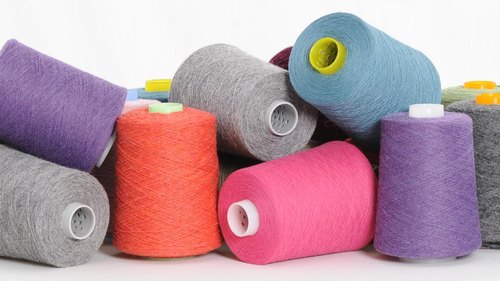
A textile yarn is a continuous strand of substantial length and relatively small cross-section composed of staple fibers or filaments suitable for weaving, knitting, or other form of fabric making process. In staple yarns the fibers are twisted while in filaments yarn the filaments may or may not be twisted. The fineness or thickness of aContinue reading “What is count of a yarn?”
Category Archives: Fashion & Textiles
Functional Clothing- Is it time to upgrade your simple jeans into a smart wearable?
Originally posted on Fabrieka :
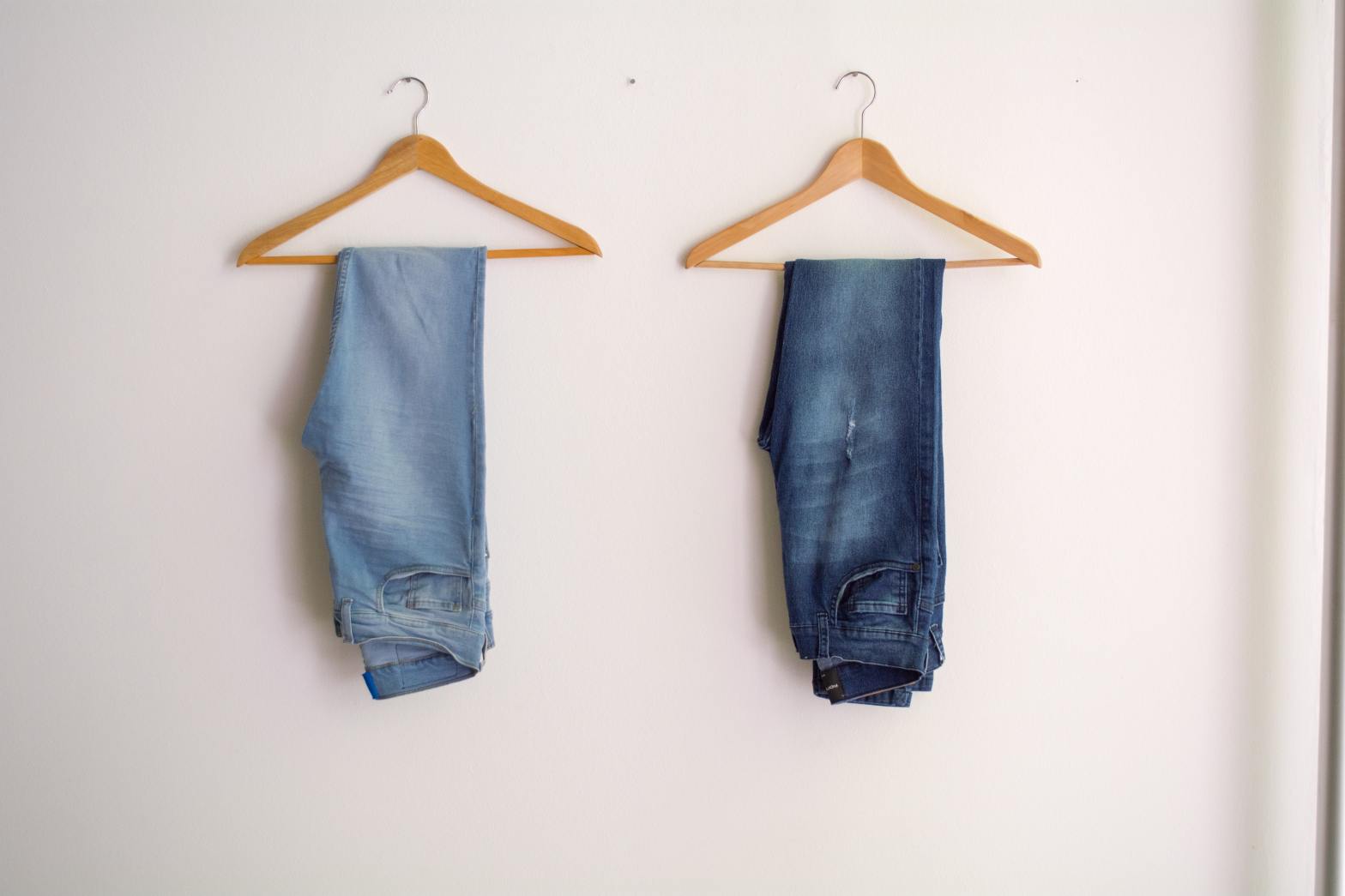
The word “Denim” was derived from?French word “sergé de Nîmes” which means that the Fabric of Nîmes. The predecessor of denim known as dungaree. Dungaree?fabric (used in English since 1605–15, from the?Marathi?dongrī) is a historical term for an Indian coarse thick 2/2 twill-weave?cotton?cloth, often coloured blue has been produced in?India for…
Wool fiber – Mother Nature at its best

Originally posted on Fabrieka :
Wool and other hair fibers have the most complicated structures of all textile fibers. Wool is composed of a complex blend of proteins and other chemical substances. The thermal and mechanical responses of the fibers are determined by a variety of inter-atomic and inter-molecular bonds and a variety of structural forms.…
What is momme in silk fabric quality or weight?

Momme is the term used to express the quality of silk fabric. Mommes (mm), is traditionally used to measure the quality of silk fabric. The momme is based on the standard width of silk fabric of 45 inches (1.2 m) wide (though silk is regularly produced in 55-inch (1.4 m) widths, and, uncommonly, in even larger widths).Continue reading “What is momme in silk fabric quality or weight?”
Functional Clothing- Is it time to upgrade your simple jeans into a smart wearable?
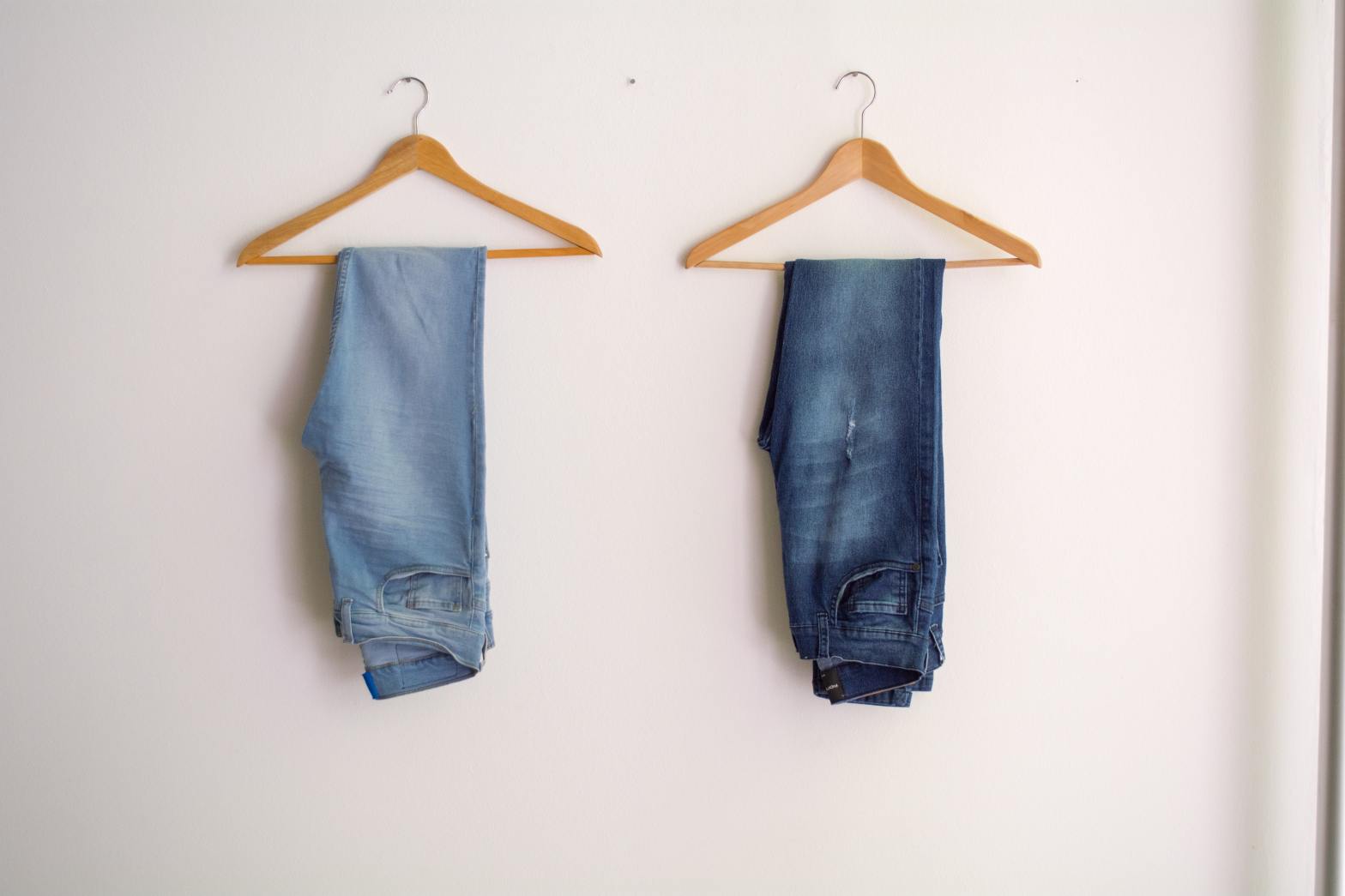
The word “Denim” was derived from French word “sergé de Nîmes” which means that the Fabric of Nîmes. The predecessor of denim known as dungaree. Dungaree fabric (used in English since 1605–15, from the Marathi dongrī) is a historical term for an Indian coarse thick 2/2 twill-weave cotton cloth, often coloured blue has been produced in India for hundreds of years, butContinue reading “Functional Clothing- Is it time to upgrade your simple jeans into a smart wearable?”
Smart Glove to work with Future apple Headset.

Apple Inc., Cupertino, CA/USA, secured another Smart gloves patent by the US Patent and Trademark Office with a title of “Knit data Input Glove”. This glove could be used as an accessory for future Apple products. Most probably this glove is made of knitted fabric, having fingers of the glove with fabric pockets. Sensors suchContinue reading “Smart Glove to work with Future apple Headset.”
Chemical free garment for a new born!

Originally posted on Fabrieka :
Philips Avent Up To 60% OFF Giving the perfect gift for a new baby can be a daunting process – adorable, yet daunting. Finding that special something to take the new arrival from birth and beyond is no easy task. While buying garment for a new born, many parents do not…
What is thread count of a fabric? The “T” or “TPI” of a fabric.
Originally posted on Fabrieka :
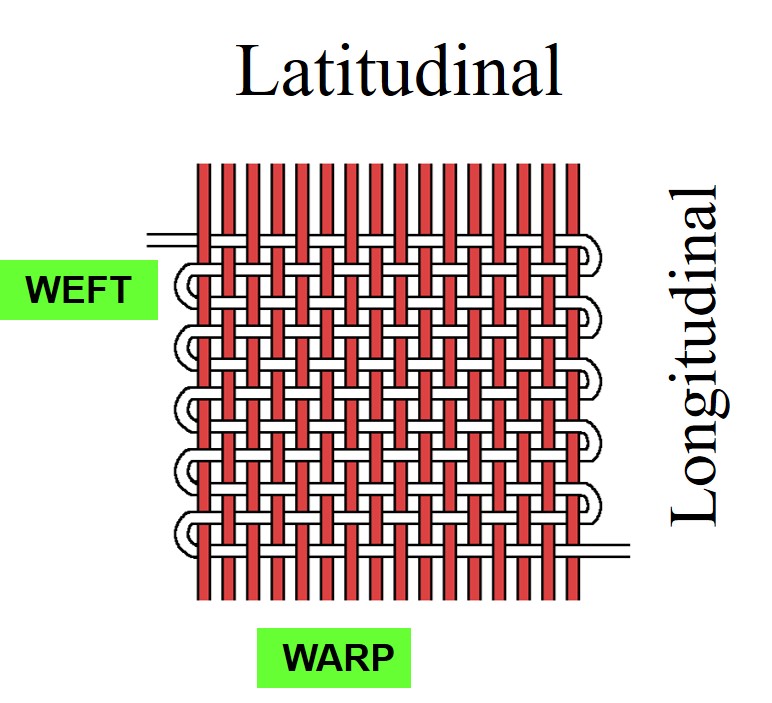
To understand the term Thread count first you should understand the term thread density. The thread density means number of yarns per unit length of the fabric in two principal directions. The two principal direction means length/longitudinal and width/latitudinal of the fabric. In weaving terms length direction is called the warp…
IS THREAD COUNT THE BEST WAY TO GAUGE THE QUALITY OF THE FABRIC?
What is thread count? Thread count of the fabric or “T” or TPI of the fabric is actually the sum of warp density/inch and weft density/inch. Therefore, the thread count or T or TPI of the fabric can be calculated and expressed as shown in figure below. So the thread count refers to the totalContinue reading “IS THREAD COUNT THE BEST WAY TO GAUGE THE QUALITY OF THE FABRIC?”
Melt Blown Non-Woven Fabric
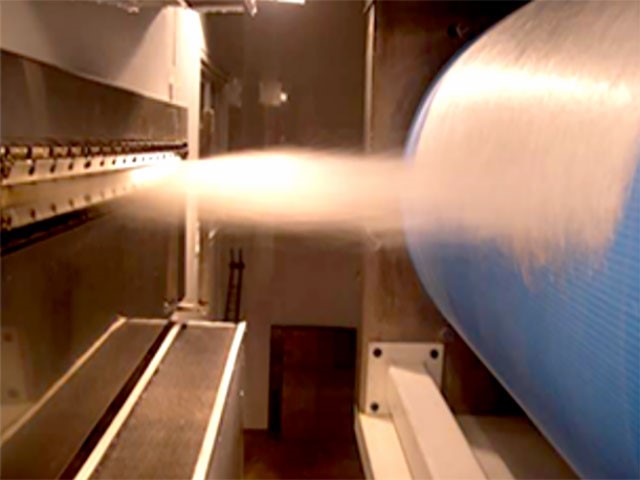
Melt-blown nonwovens are produced by extruding melted polymer micro- and nano fibers through a spinneret or die consisting of up to 40 holes per inch to form long thin fibers which are blown or stretched to a ultra-fine diameters typically ranging between 2-4 μm, and cooled by passing hot air over the fibers as theyContinue reading “Melt Blown Non-Woven Fabric”
 AUXETICO ADVANCED TECHNOLOGIES