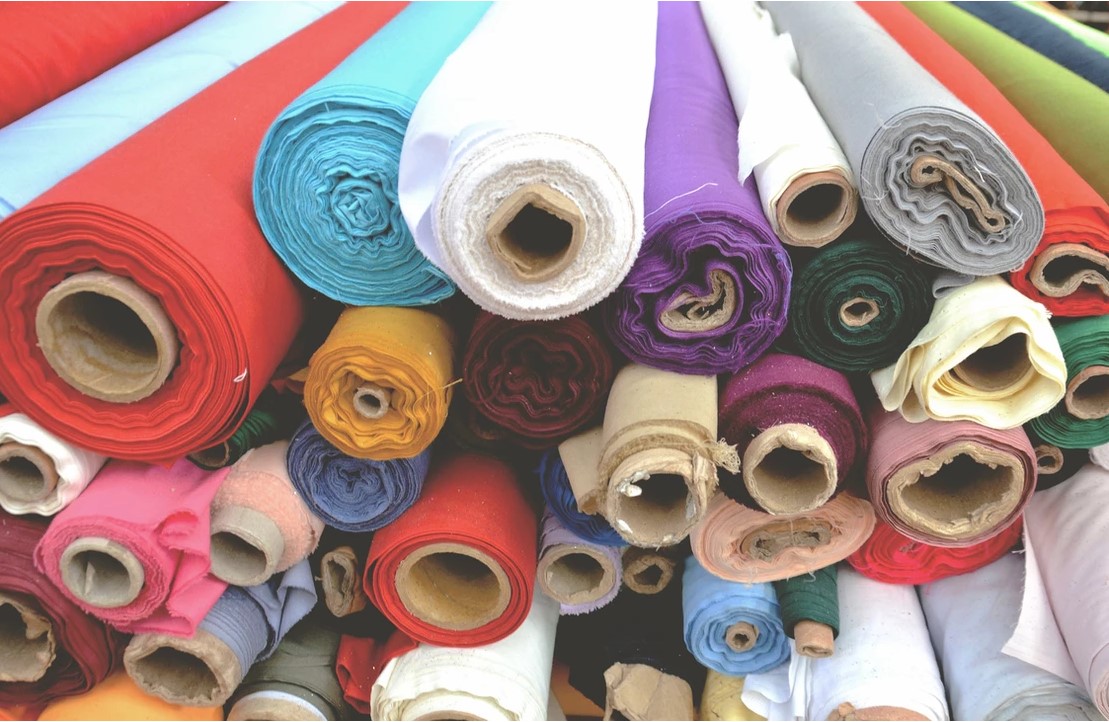
Typically the GSM stands for grams per square meter. Therefore GSM of a fabric means how much is the weight of a square meter of fabric in grams. In other words the weight in grams of a fabric with length X width = 1 meter X 1 meter. This is also called the areal densityContinue reading “What is GSM or weight or areal density of a fabric?”
Category Archives: Fashion & Textiles
What is thread count of a fabric? The “T” or “TPI” of a fabric.
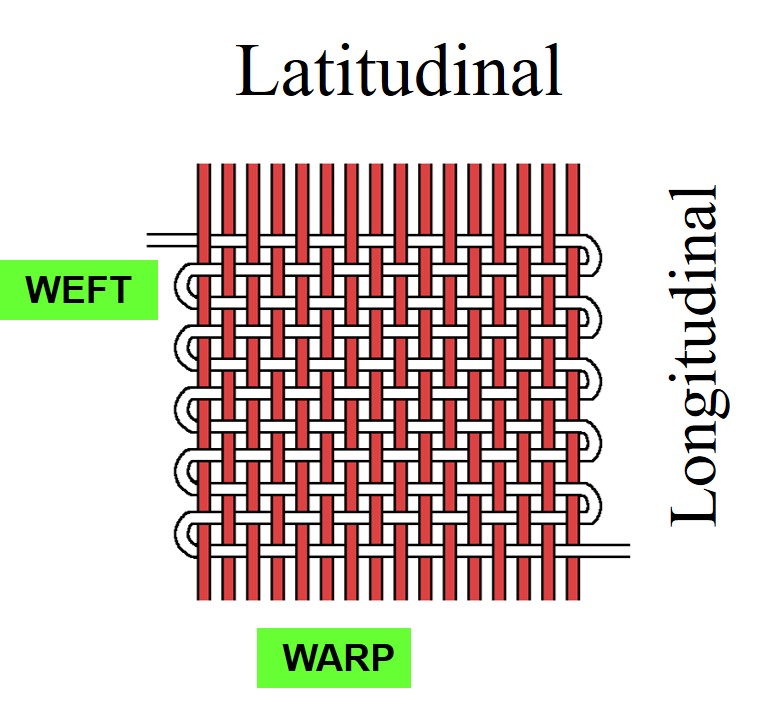
To understand the term Thread count first you should understand the term thread density. The thread density means number of yarns per unit length of the fabric in two principal directions. The two principal direction means length/longitudinal and width/latitudinal of the fabric. In weaving terms length direction is called the warp direction because the yarnsContinue reading “What is thread count of a fabric? The “T” or “TPI” of a fabric.”
“Lies” Our Shield against corona virus

Originally posted on Fabrieka :
This is not the first time that human race has faced the pandemic. Even before this, several epidemics have affected a large part of the world in different periods The recent corona virus has spread from “patient zero” to more than 200 countries around the globe. In many countries, the virus…
What are Wool fiber structural advantages ?-Engineering of Mother Nature
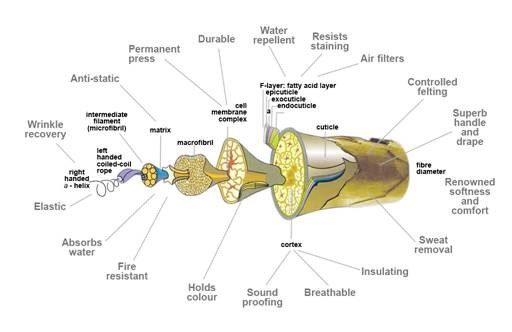
Advantages of wool fibre structure In addition to the particular tensile and other properties, the special features of structure of wool fibre are crimp, which leads to high bulk and softness, and scales, which lead to felting. Good recovery properties are also beneficial, and especially the regeneration of properties by washing. The structural elements ofContinue reading “What are Wool fiber structural advantages ?-Engineering of Mother Nature”
What is Wool fiber general model ?- The Engineering of Mother Nature
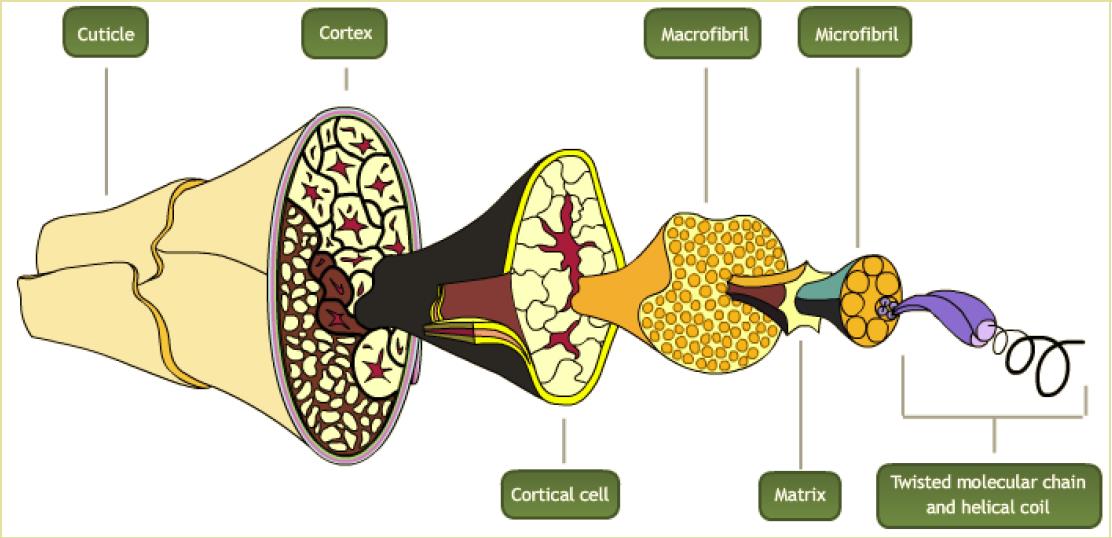
The general model of wool fibre structure is represented by figure 8 which shows the overall hierarchy of structural elements. Under the microscope, the wool fiber looks like a long cylinder with scales on it. The fiber is very curly and springy. The fibre is surrounded by cuticle cells which overlap in one direction. TheContinue reading “What is Wool fiber general model ?- The Engineering of Mother Nature”
What is Fiber, yarn and fabric ?

Fiber ( from Textile Terms and Definition ) A unit of matter characterized by flexibility, fineness, and high ratio of length to thickness. The most common plant fiber is cotton, which is typically spun into fine yarn for mechanical weaving or knitting into cloth. Cotton and polyester are the most commonly spun fibers in the world. Cotton isContinue reading “What is Fiber, yarn and fabric ?”
Shitsukan(質感)-“RECOGNITION OF MATERIAL CATEGORY AND ITS PROPERTIES”.
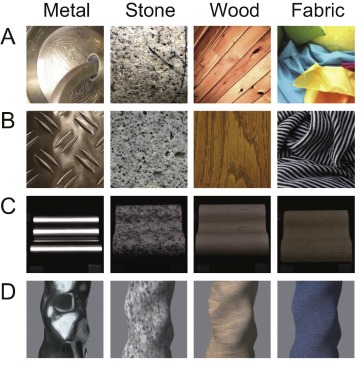
When we see objects in our daily life, we routinely and quickly recognize their material composition and properties; whether, for example, the cup in front of us is made of metal or ceramic, the sofa is upholstered with leather or fabric, or a shirt is wet or dry. In Japanese concept of “shitsukan” this perceptionContinue reading “Shitsukan(質感)-“RECOGNITION OF MATERIAL CATEGORY AND ITS PROPERTIES”.”
Shitsukan(質感)-“NATURAL TEXTURE PERCEPTION”.
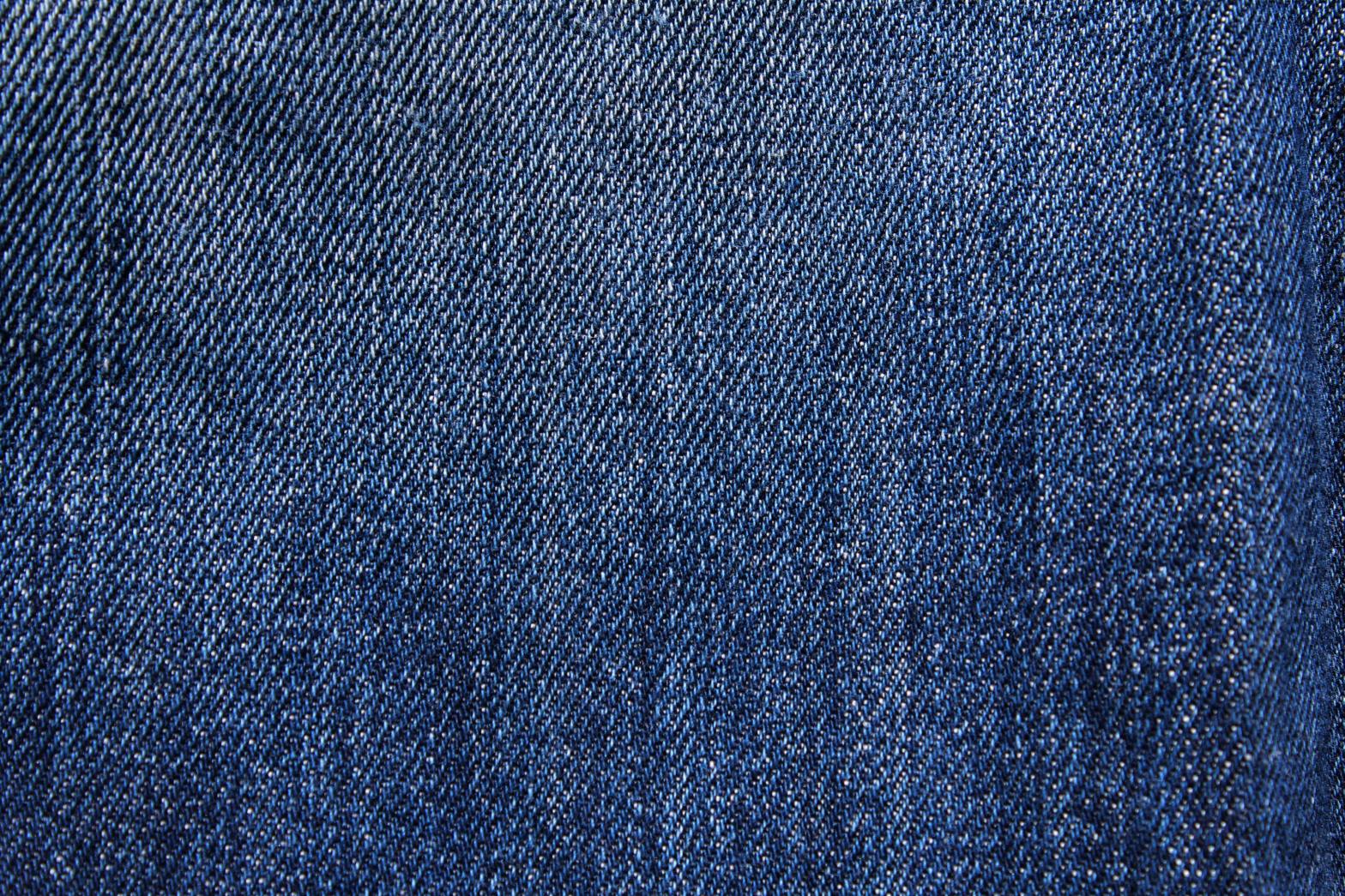
Usually different materials have their specific natural textures with bumps and dents, such as fabric, fur, stone and leather and on the bases of this texture they can be distinguished with one another. In Japanese concept of “shitsukan” this perception is known as “NATURAL TEXTURE PERCEPTION”. In this blog, I am going to discuss aboutContinue reading “Shitsukan(質感)-“NATURAL TEXTURE PERCEPTION”.”
Shitsukan(質感)-“GLOSSINESS PERCEPTION”.

Originally posted on Fabrieka :
Neural processing of surface qualities, particularly the glossiness that can be named as “GLOSSINESS PERCEPTION” is discussed in this blog. Last week I wrote about the basics of Japanese concept “shitsukan”. To build a background for those who have missed my last blog I am enclosing a short introduction of this…
Shitsukan(質感)-“GLOSSINESS PERCEPTION”.

Neural processing of surface qualities, particularly the glossiness that can be named as “GLOSSINESS PERCEPTION” is discussed in this blog. Last week I wrote about the basics of Japanese concept “shitsukan”. To build a background for those who have missed my last blog I am enclosing a short introduction of this marvelous concept again. DuringContinue reading “Shitsukan(質感)-“GLOSSINESS PERCEPTION”.”
 AUXETICO ADVANCED TECHNOLOGIES